
Four Cities: Serendipitous Journey of Cultural Heritage · Pandas & the Magic City
$2,599.00
Beijing – Xi’an – Chengdu – Shanghai 10-Day Private Custom Tour
Theme: Journey through Ancient Capitals × Panda Cuteness × Urban Skyline
Travel Method
Private custom group | One family per tour | Equipped with dedicated guide + driver + air-conditioned private vehicle (vehicle type arranged according to number of people)
Accommodation Standard
Selected comfortable hotels throughout, including buffet breakfast
Core Highlights
- Climb one of the wonders of the world: Mutianyu Great Wall
- Explore the royal palace complex: The Forbidden City (Palace Museum)
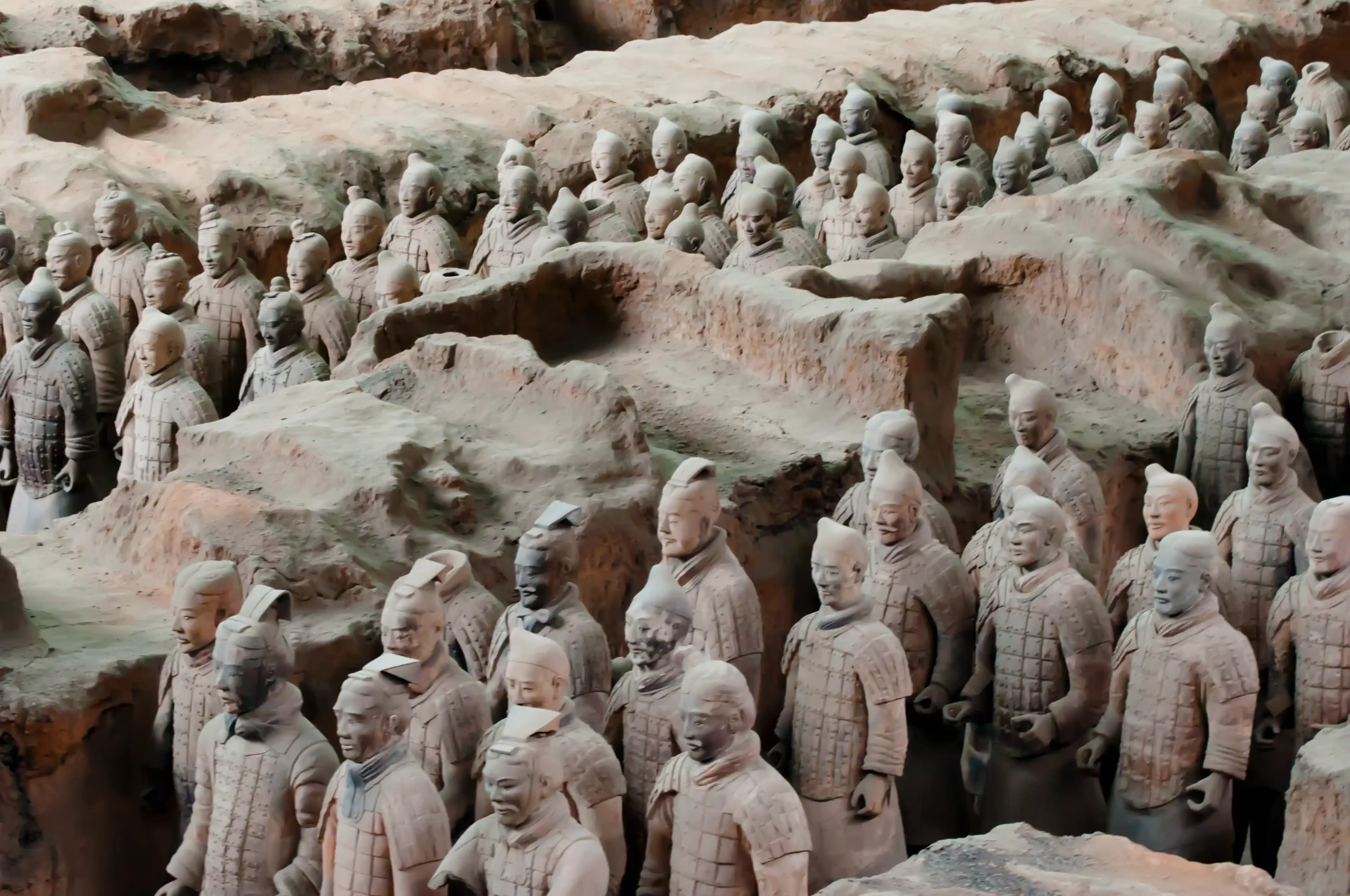
- Witness the glory of the Qin Dynasty: Terracotta Warriors Museum + VIP-exclusive archaeology exhibition
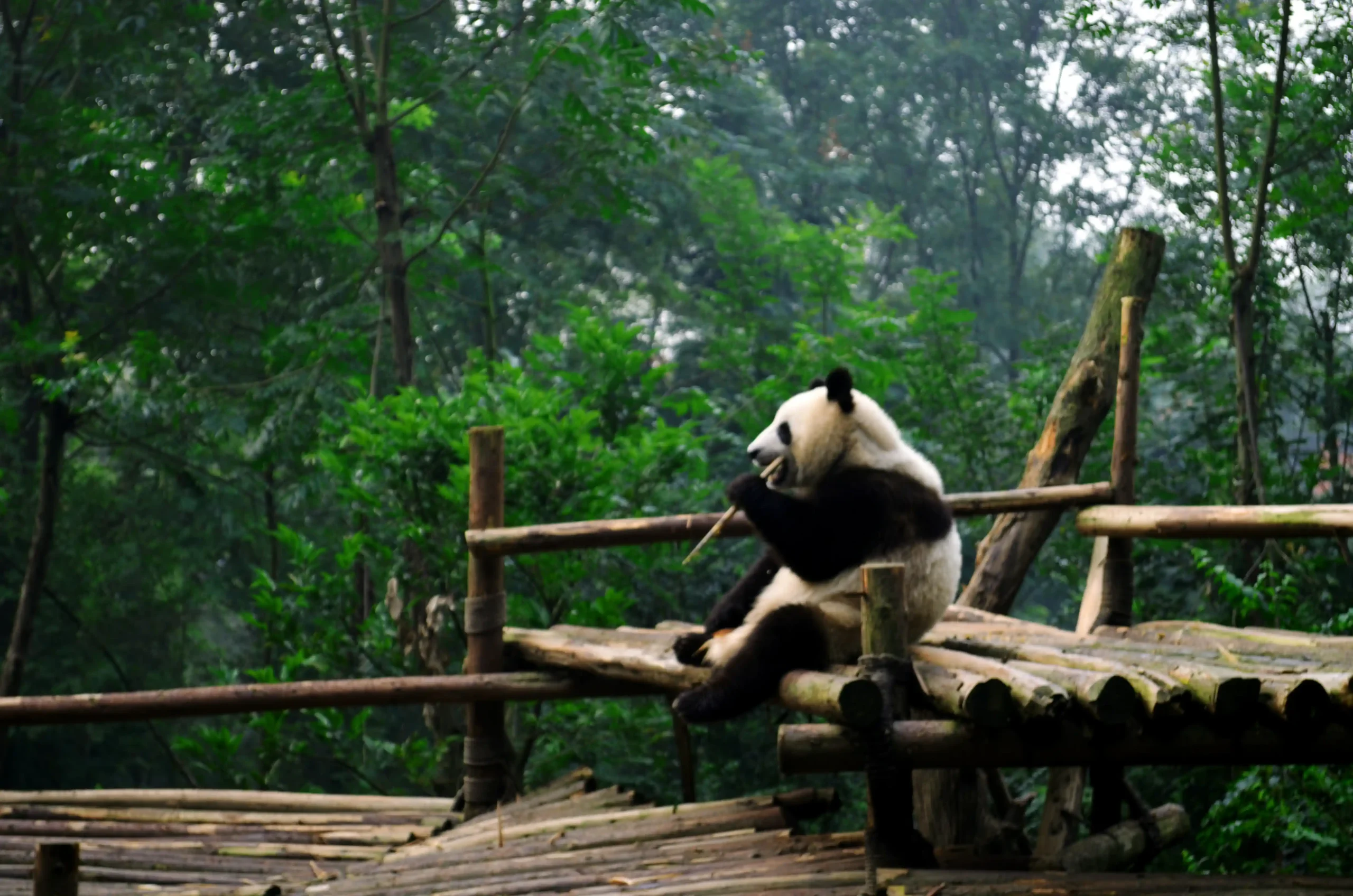
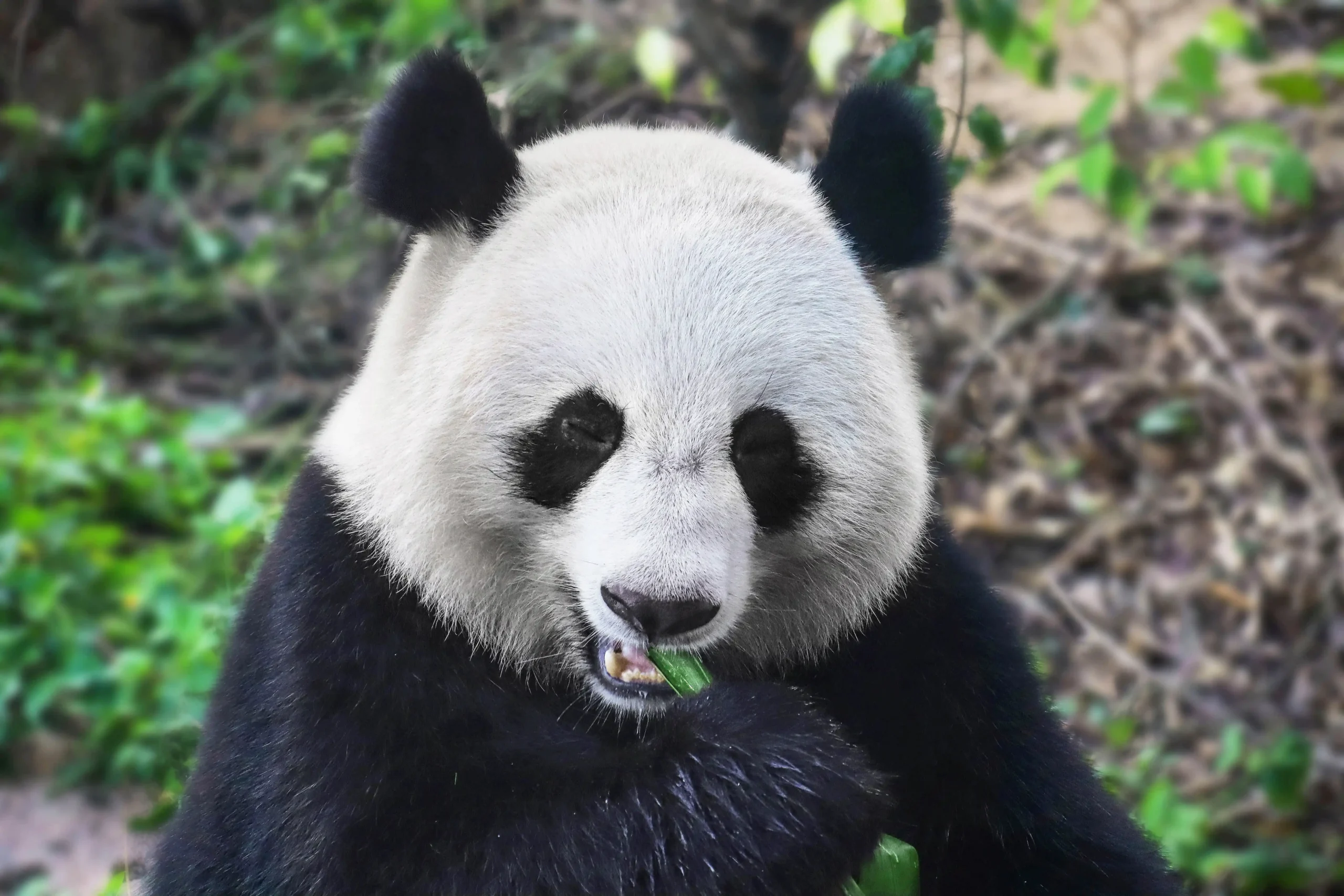
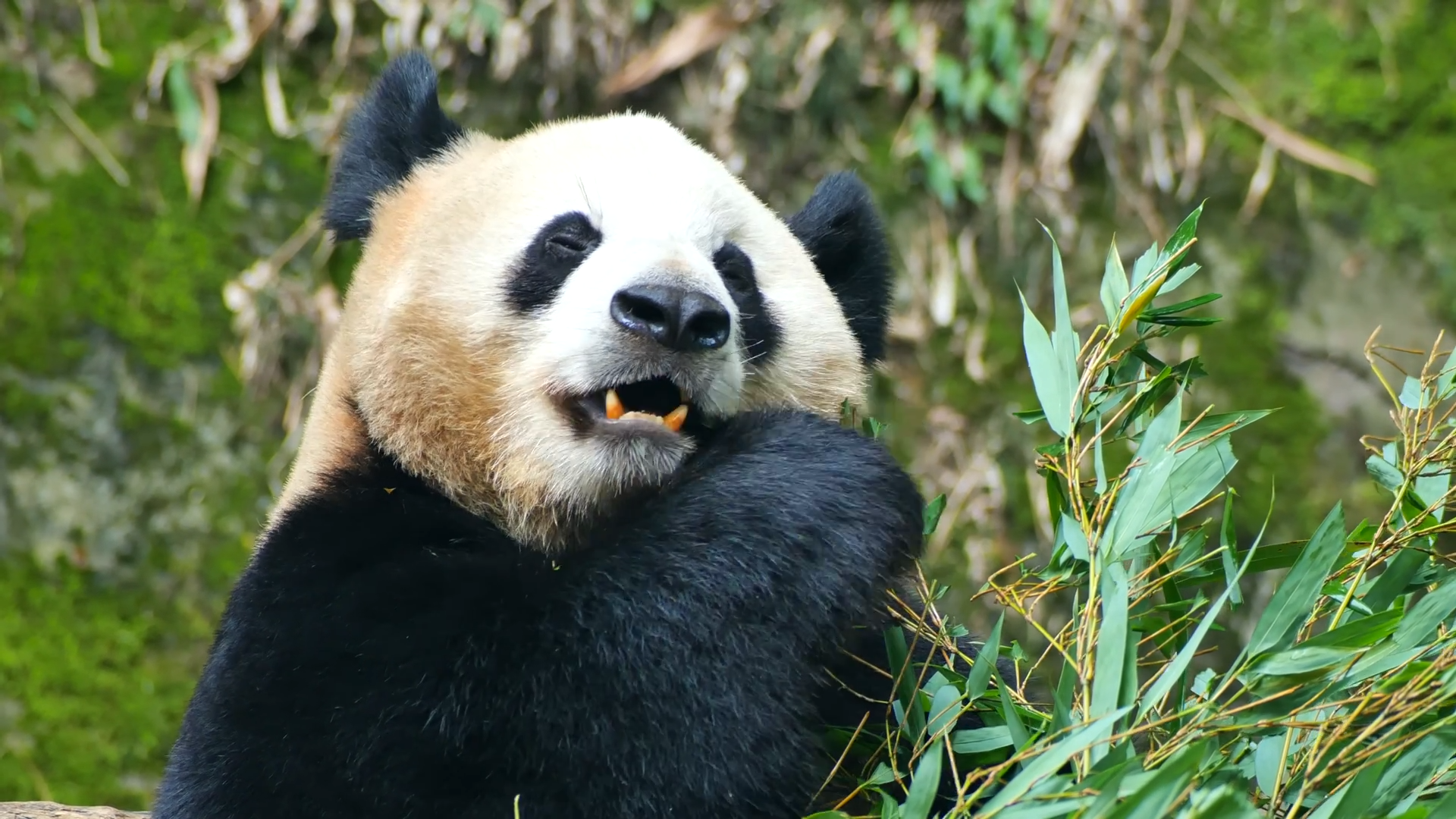
- Get up close with national treasures: Chengdu Research Base of Giant Panda Breeding
- Immerse in old city life: Beijing hutong rickshaw ride + Chengdu slow-life teahouse experience
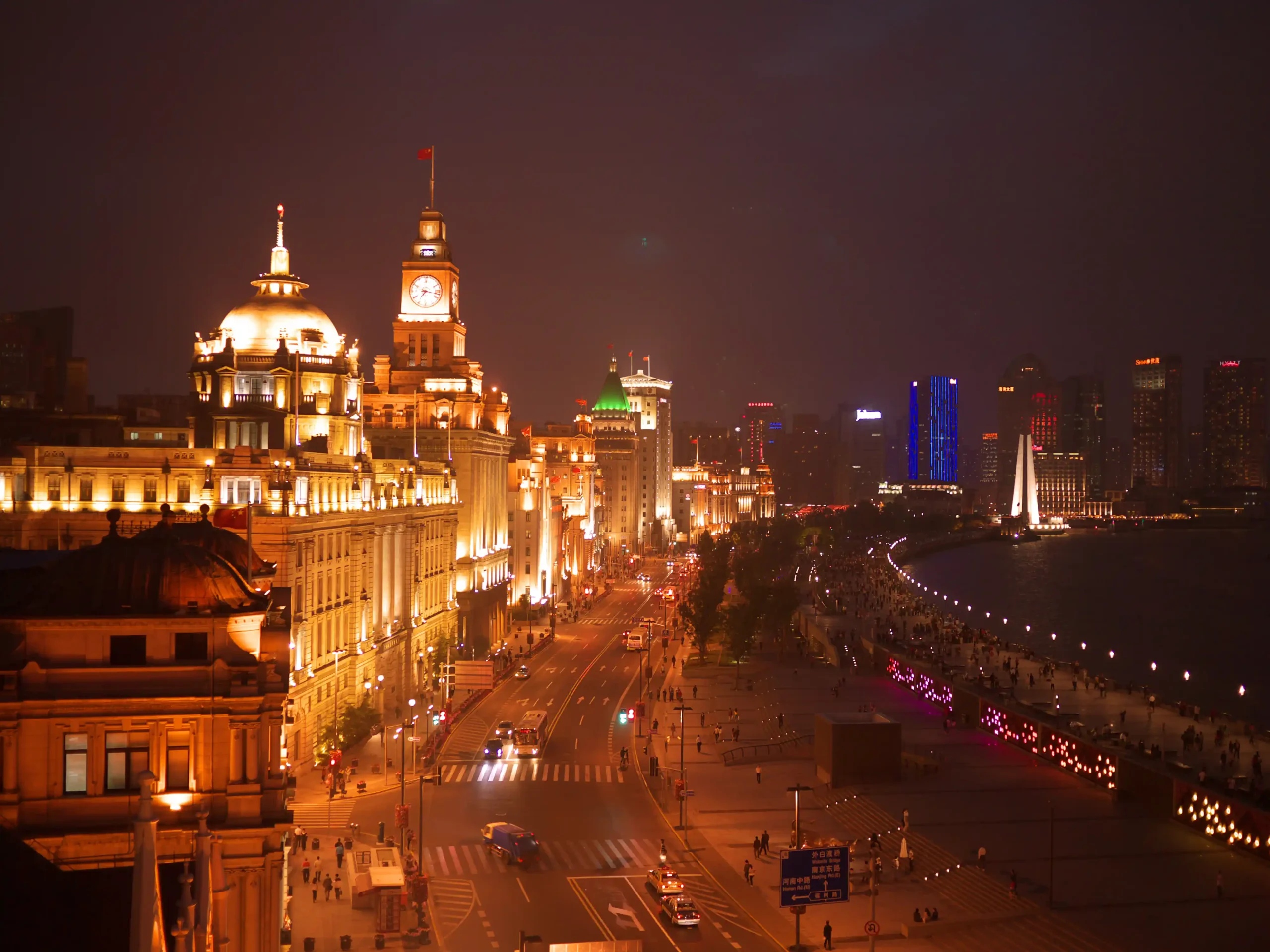
- Night views of the metropolis: Huangpu River cruise + modern night scenery of The Bund
- Gourmet feast: Enjoy Beijing roast duck, Sichuan cuisine, and Shanghai-style dishes
Day 1: Arrival in Beijing
Itinerary Overview
Depart from various locations, arrive at Beijing Capital International Airport or Daxing Airport
Guide will meet you at the arrival hall holding a sign with your name
Private transfer to booked hotel for check-in
Free time after check-in; explore surrounding areas independently
Tips: Light clothing is recommended to adapt to long-haul flights. If feeling energetic, it’s recommended to visit Wangfujing Pedestrian Street to experience Beijing’s nightlife.
Day 2: Beijing — Tiananmen Square & Deep Tour of the Forbidden City
Itinerary Overview
Morning visit to Tiananmen Square — the world’s largest urban central square
Walk through Tiananmen Gate into the Palace Museum (Forbidden City)
Lunch: Set-menu Welcome Banquet, tasting authentic Beijing roast duck (valued at 150 RMB per person, already included)
Afternoon visit to Yonghe Temple — Beijing’s largest Tibetan Buddhist temple
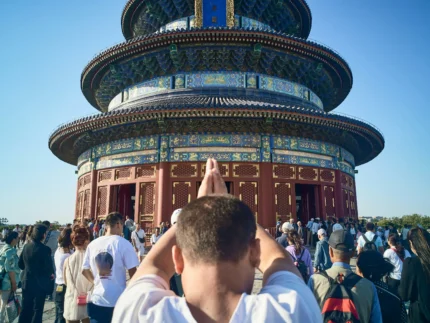
Evening visit to Temple of Heaven Park — where emperors of Ming and Qing dynasties performed sacrificial rituals, now a leisure spot for locals
VIP Privileges
- Guide has an average of over 100 guided tours per year, familiar with optimal routes ensuring all key palaces are covered
- Share little-known historical stories (e.g., how Ming officials had to wake up at 3 a.m. for court meetings)
Meals: Western buffet breakfast + set-menu welcome lunch
Day 3: Beijing — Mutianyu Great Wall & Old Beijing Hutong Experience
Itinerary Overview
Morning departure to Mutianyu Great Wall, take round-trip cable car to easily ascend the wall
Enjoy panoramic views of the Great Wall winding along mountain ridges, take photos
Pass by Bird’s Nest (National Stadium) for exterior photo stop
Arrive at Shichahai area, take a rickshaw ride through traditional hutongs
Visit a traditional siheyuan courtyard house, interact with residents about modern Beijing life
Guide can drop you off at Gulou Bar Street for free exploration, or return to hotel to rest
Dinner Recommendation: “Juqi Roast Duck Restaurant” near Gulou
Authentic Beijing flavor, average cost ~100 RMB / 14 USD per person
Nostalgic hutong decor, wide menu selection (roast duck, kung pao chicken, stir-fried noodles, etc.)
Meals: Western buffet breakfast
Day 4: Beijing → Xi’an (High-Speed Train, approx. 5 hours)
Itinerary Overview
Morning visit to Summer Palace — a masterpiece of Qing dynasty imperial gardens, boat ride on Kunming Lake
Guide accompanies you to Beijing South Railway Station, assists with high-speed train boarding procedures
Take G-series high-speed train to Xi’an (speed up to 350 km/h)
Upon arrival, local guide and driver will meet you and transfer you to hotel by private vehicle
Tips: Bring snacks, books, or audiovisual devices to enhance comfort during the journey
Meals: Western buffet breakfast
Day 5: Xi’an — Terracotta Army Exploration + Night Visit to Big Wild Goose Pagoda
Itinerary Overview
Morning visit to Emperor Qinshihuang’s Mausoleum Site Museum (Terracotta Warriors)
Three pits display over 9,000 terracotta soldiers and war formations in stunning detail
★ VIP Privilege 1: Exclusive access to the permanent exhibition “Archaeological Discoveries of Emperor Qinshihuang’s Mausoleum” (glass-display only, 230 precious artifacts revealed for the first time!)
★ VIP Privilege 2: Visit the former residence of Yang Zhifa — the farmer who discovered the Terracotta Warriors — and hear firsthand historical accounts
★ VIP Privilege 3: Participate in a 40-minute Mini Terracotta Warrior DIY Workshop, handcraft your own souvenir and engrave your name
Afternoon visit to Big Wild Goose Pagoda — where Tang Dynasty monk Xuanzang translated Buddhist scriptures, one of China’s best-preserved ancient brick pagodas
Evening head to Tang Paradise Yongming City (aka Tang Dynasty Ever-bright City)
★ Dress in Hanfu attire to travel back to the Tang Dynasty, immersive experience in ancient-themed streets
Freely photograph popular illuminated sculptures and landmarks
Meals: Western buffet breakfast
Day 6: Xi’an → Chengdu (High-Speed Train, approx. 4 hours)
Itinerary Overview
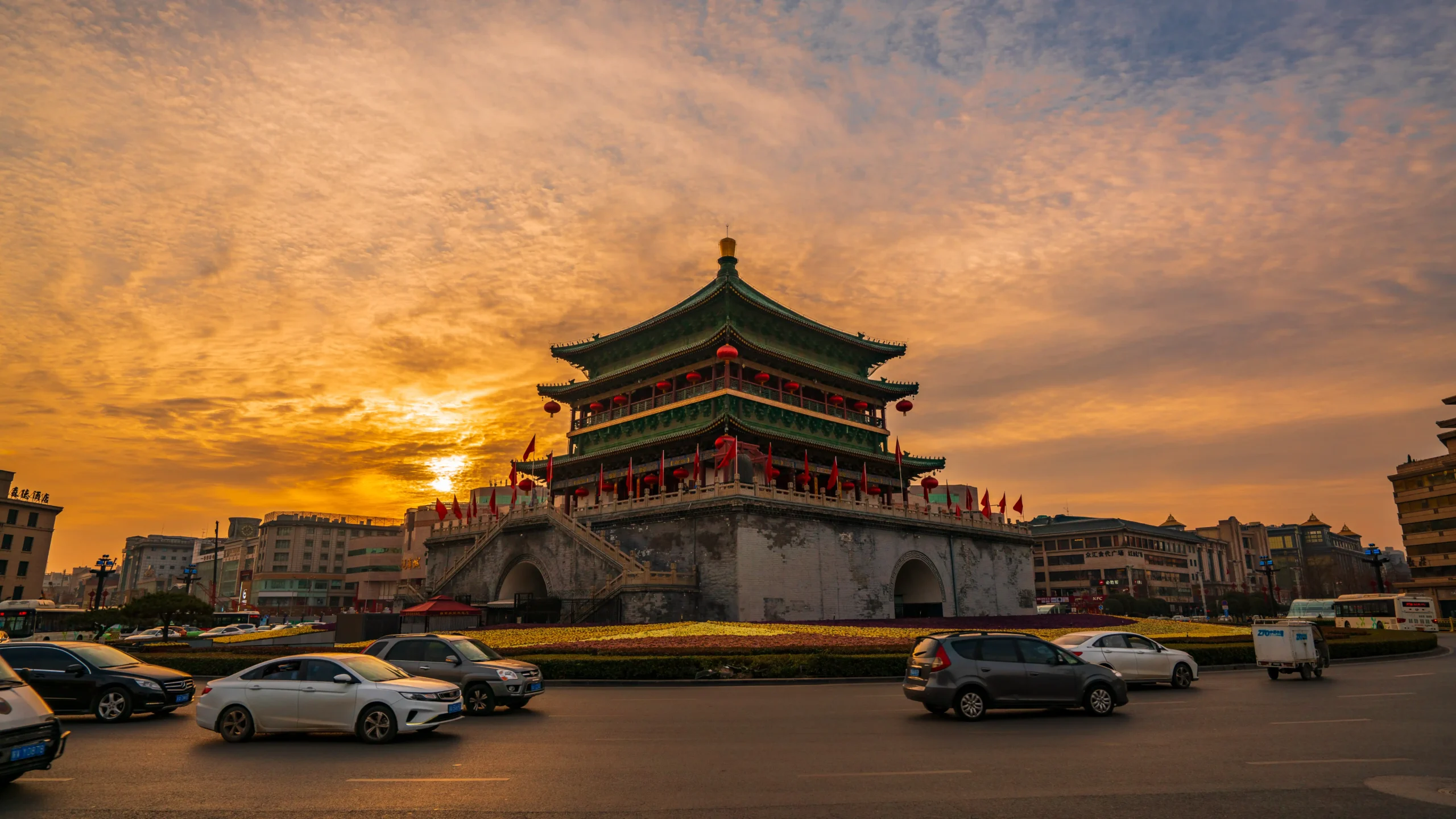
Morning exploration of Xi’an City Wall Park
Optional activities: bike around the entire wall (~2 hours), or take sightseeing bus (50 minutes)
Experience morning Tai Chi practice, interact with local seniors and learn their wellness routines
Midday visit to Muslim Quarter + Great Mosque
Taste local street food: fried dough sticks, pan-fried dumplings, roujiamo (Chinese hamburger), etc.
Afternoon take high-speed train to Chengdu, upon arrival met by local guide and transferred to hotel
Meals: Western buffet breakfast + Muslim Quarter specialty snacks (at own expense)
Day 7: Chengdu — Panda Base & Xiaojiahe Community Lifestyle Experience
Itinerary Overview
Morning visit to Chengdu Research Base of Giant Panda Breeding
Observe pandas eating, rolling, climbing trees (most active in the morning)
Afternoon visit to Xiaojiahe Community — dive deep into Chengdu’s “slow life” culture
★ Lunch Recommendation: Michelin Guide-recommended restaurant “Yongle Restaurant”
Must-order dishes: Kung Pao Chicken, Spicy Boiled Fish
Average cost: 60 RMB / 8 USD per person, may require queuing
Visit a local wet market, understand ingredient types and price levels
Walk to Xiaojia Riverside
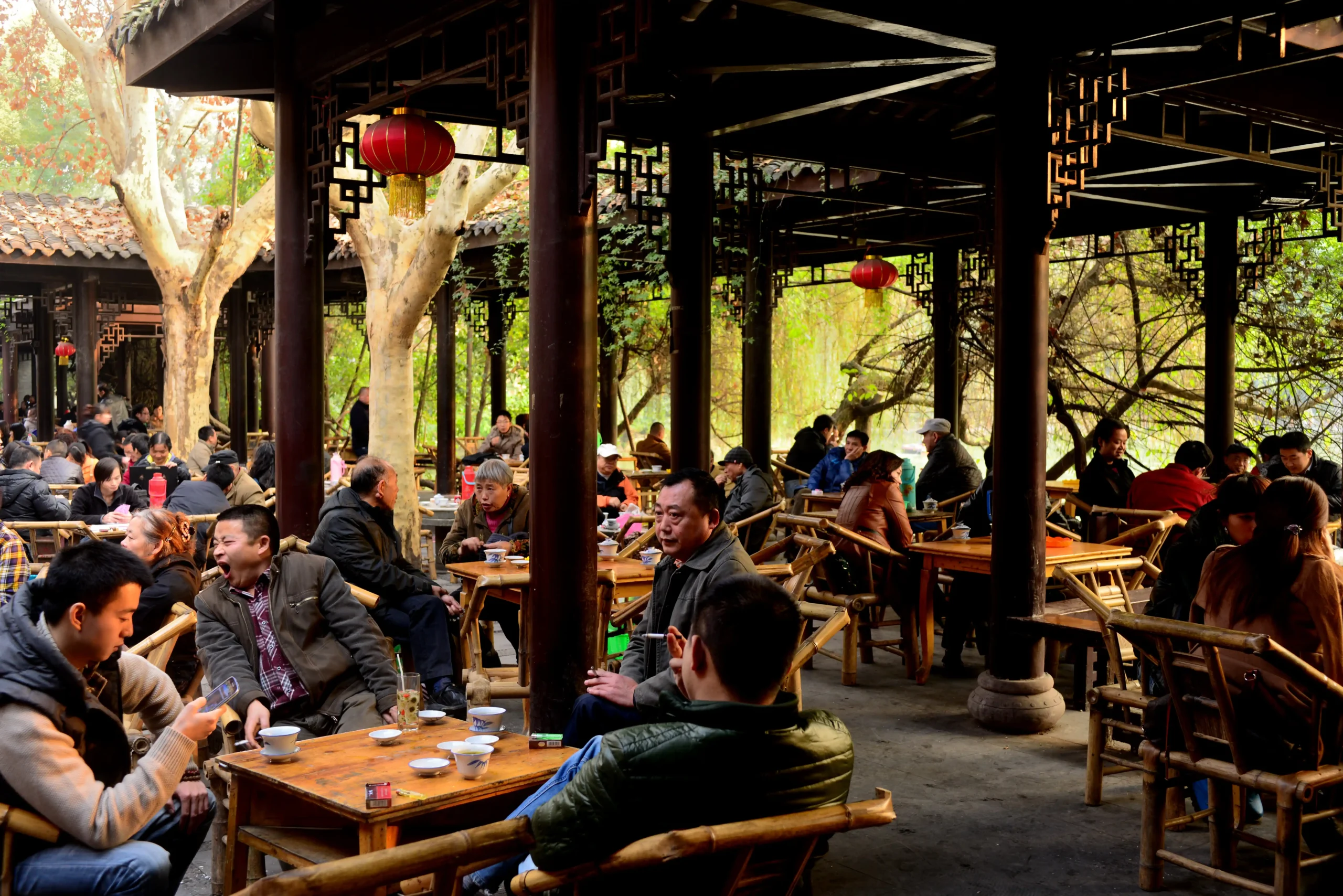
★ Sip a cup of lidded tea (with traditional lid), chat, play mahjong like locals
Experience the lifestyle described as “Bashideban” (Sichuan slang meaning extremely comfortable)
Cultural Extension: Explore mysteries of the ancient Shu civilization — Was it related to Sanxingdui? How were bronze artifacts carved? Where did phosphorus come from? Your guide will explain unsolved enigmas
Meals: Western buffet breakfast
Day 8: Chengdu → Shanghai (Flight, approx. 2.5 hours)
Itinerary Overview
Morning private transfer to Shuangliu Airport, board flight to Shanghai
Upon arrival, met by Shanghai guide at arrivals hall
Drive to The Bund — view the Western Bank’s European-style architecture cluster
★ One-hour Huangpu River Cruise
West Bank: admire century-old “International Architecture Exhibition” buildings
East Bank: gaze upon Lujiazui skyscrapers (Oriental Pearl Tower, Shanghai Tower, World Financial Center)
Check into downtown Shanghai hotel, two-night stay
Meals: Western buffet breakfast
Day 9: Shanghai — Museums & Classical Gardens & Water Town Charm
Itinerary Overview
Morning visit to Shanghai Museum — one of China’s four major museums, housing 120,000 ancient art pieces
Tour Yu Garden — a Ming Dynasty classical garden with pavilions, towers, and corridors
Walk through Yu Garden Bazaar to parking lot
Lunch: Farewell Banquet at a fine dining restaurant (150 RMB per person standard, already included)
Choice between fresh Cantonese or Shanghai-style dishes
Afternoon visit to Zhujiajiao Water Town — “Oriental Venice”
Crisscrossing canals, stone bridges, flowing water, historic residences
Stroll on cobblestone paths, feel the charm of Jiangnan ancient towns
Dinner Recommendation: “Sanmalu Restaurant” in city center
Representative home-style Shanghai cuisine, nostalgic décor, classic songs playing
Recommended dishes: braised pork, cured bamboo shoot stew, pan-fried buns
Average cost: 100 RMB / 14 USD per person, walkable to Nanjing Road after dinner (7 mins)
Meals: Western buffet breakfast + farewell set-menu lunch
Day 10: Shanghai Departure → Return Journey
Itinerary Overview
According to international flight schedule, guide and driver will pick you up from hotel on time
Private transfer to Pudong or Hongqiao Airport
Option to experience the Maglev Train to Pudong Airport (speed up to 430 km/h — world’s fastest commercial maglev)
Tour officially ends — wishing you a pleasant journey home!
1. 天安门广场 (Tiananmen Square)
- Location: Center of Beijing, south of the Forbidden City
- Core Status:
- The world's largest urban central square (covering an area of 440,000 square meters)
- National political symbol, venue for major festival celebrations and military parades
- Historical Significance:
- Built during the Yongle reign of the Ming Dynasty, originally the square in front of "Chengtianmen" (Gate of Accepting Heaven's Mandate)
- Became an important symbol of national image after the founding of the People's Republic of China
- Highlights:
- Watching the flag-raising ceremony (every early morning)
- Overlooking landmark buildings including the Monument to the People's Heroes, Chairman Mao Memorial Hall, and the National Museum of China
- Guide's Key Explanations:
- The square's role in modern Chinese history (e.g., the May Fourth Movement, the Founding Ceremony)
2. 故宫 (The Forbidden City / Palace Museum)
- Official Name: Zijin Cheng (Purple Forbidden City)
- Construction Period: Started in the 4th year of Yongle reign in the Ming Dynasty (1406), completed in 14 years
- Historical Background:
- Imperial palace of 24 emperors from the Ming and Qing dynasties
- "Purple" represents the North Star at the center of the sky; "Forbidden" means common people were prohibited from entering
- Scale Data:
- Covers an area of about 720,000 square meters with a floor area of approximately 150,000 square meters
- Has 9,999 and a half palace rooms (symbolizing imperial authority)
- Architectural Features:
- Symmetrical layout along the central axis, embodying Confucian ritual system
- Yellow glazed tile roofs, red walls and golden columns, white marble platforms
- Main building complexes include the Hall of Supreme Harmony, Hall of Central Harmony, Hall of Preserving Harmony (the Outer Three Halls), Palace of Heavenly Purity, Hall of Union, and Palace of Earthly Tranquility (the Inner Three Halls)
- Cultural Connotations:
- Demonstrates ancient imperial power system, court life, and etiquette norms
- Houses a large collection of precious cultural relics (paintings, porcelains, jades, etc.)
- VIP Exclusive Services:
- Guides lead tours over 100 times a year, familiar with the best visiting routes
- In-depth guided tour of at least 2 hours, covering all important palaces
- Telling little-known historical stories (e.g., officials getting up at 3 a.m. to attend court without breakfast)
3. 雍和宫 (Yonghe Temple / Yonghegong Lamasery)
- Original Purpose: Prince Yong's Mansion before Emperor Yongzheng of the Qing Dynasty ascended the throne
- Conversion Time: Converted into a Tibetan Buddhist temple in the 9th year of Qianlong reign (1744)
- Religious Status:
- The largest and best-preserved lamasery in Beijing
- Belongs to the Gelugpa (Yellow Hat) sect, once one of the centers for the Qing government to manage Mongolian and Tibetan affairs
- Integrated Architectural Style:
- Han-style palace layout + Manchu decorative elements + Mongolian religious functions + Tibetan Buddha statue art
- Main Attractions:
- Giant Maitreya Buddha statue inside Wanfu Pavilion (carved from a single white sandalwood tree, 18 meters high)
- Ancient architectural relics including the Hall of the Dharma Wheel, Zhaotai Gate, and Stele Pavilion
- A popular site with a constant stream of worshippers
- Cultural Value:
- A tangible witness to the unity and cultural exchange among Han, Manchu, Mongolian, and Tibetan ethnic groups
4. 天坛 (Temple of Heaven)
- Construction Time: 18th year of Yongle reign in the Ming Dynasty (1420)
- Functional Orientation:
- Venue for emperors of the Ming and Qing dynasties to worship heaven and pray for good harvests
- Site for the most solemn imperial sacrificial rituals
- Core Building Complexes:
- Hall of Prayer for Good Harvests: Circular three-eaves blue-tiled golden roof, symbolizing "the sky is round and the earth is square"
- Circular Mound Altar: Three-tiered circular stone altar for worshipping heaven on the Winter Solstice
- Imperial Vault of Heaven & Echo Wall: Acoustic wonders where whispers can be heard dozens of meters away
- Design Concept:
- The number "nine" runs through the entire complex (e.g., number of steps, stone slabs), symbolizing the ultimate yang number
- Gradually decreasing building heights, expressing reverence for heaven
- Current Use:
- Opened as a park, where morning exercises, Tai Chi, and Peking Opera singing by citizens are common sights
- Contrast Experience Between Ancient and Modern Times:
- Once a sacred forbidden area → Now a leisure paradise for ordinary people
5. 慕田峪长城 (Mutianyu Great Wall)
- Honor: One of the Seven Wonders of the World
- Location: Huairou District, Beijing, about 70 kilometers from downtown
- Historical Origin:
- First built during the Northern Qi Dynasty, extensively renovated and reinforced in the Ming Dynasty
- An important defense line for protecting the capital during the Ming Dynasty
- Characteristics and Advantages:
- Beautiful scenery with high vegetation coverage (known as the "Green Great Wall")
- Relatively fewer tourists, suitable for in-depth visits
- Well-equipped with cable cars for ascending and descending
- Structural Features:
- Total length of 5.4 kilometers with 22 existing watchtowers
- Double-sided crenellations design, capable of both offense and defense
- Visiting Methods:
- Round-trip cable car arranged in the itinerary for easy ascent to the top
- Recommended to hike a section of the wall to overlook the winding beauty of the mountains
- Cultural Significance:
- A masterpiece of ancient Chinese military defense projects
- A crystallization of the wisdom and hard work of the working people
