

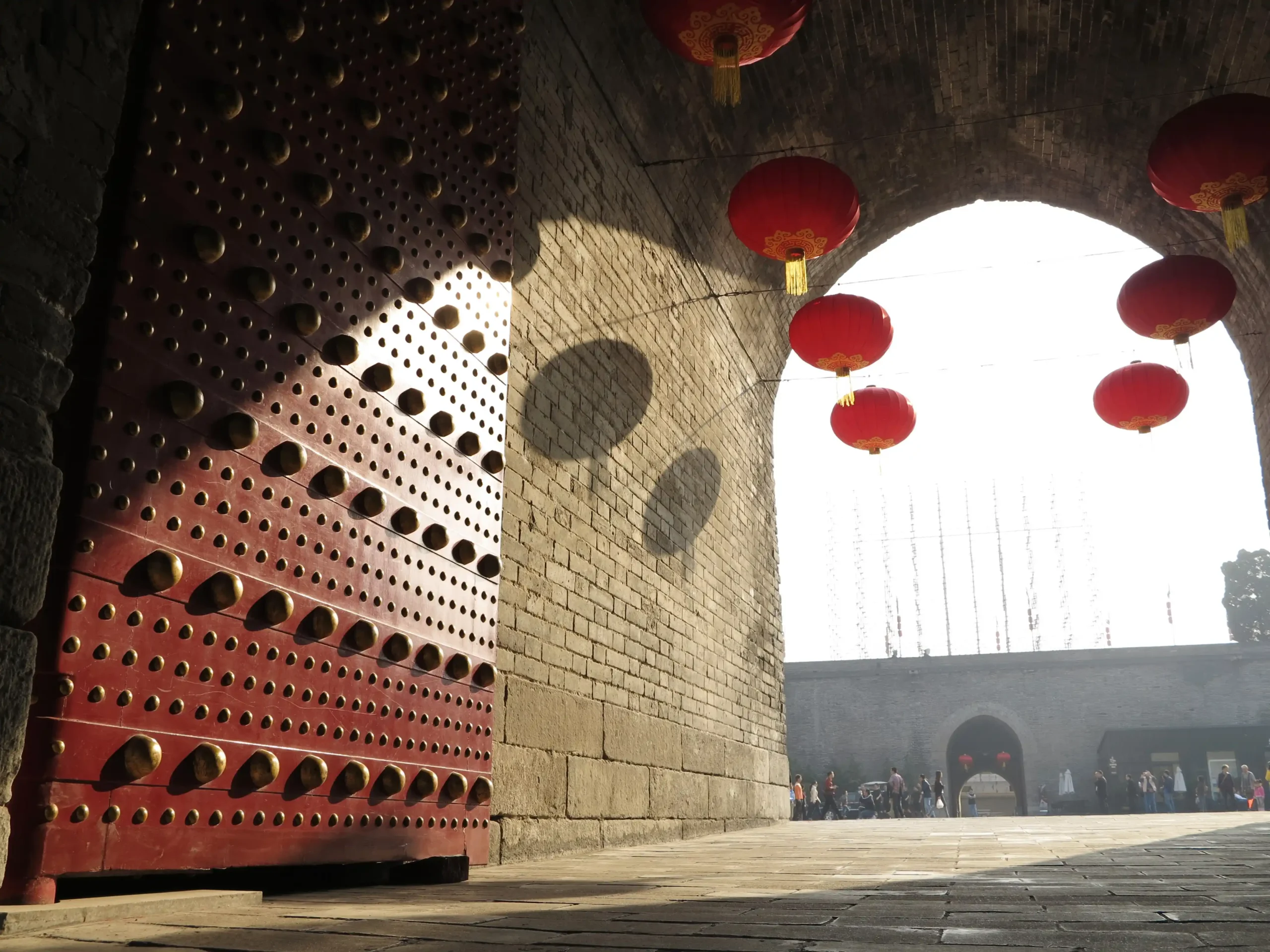
Millennial Legacy, Wanli Landscapes —— China’s 8-City 15-Day Bespoke Odyssey
$3,599.00
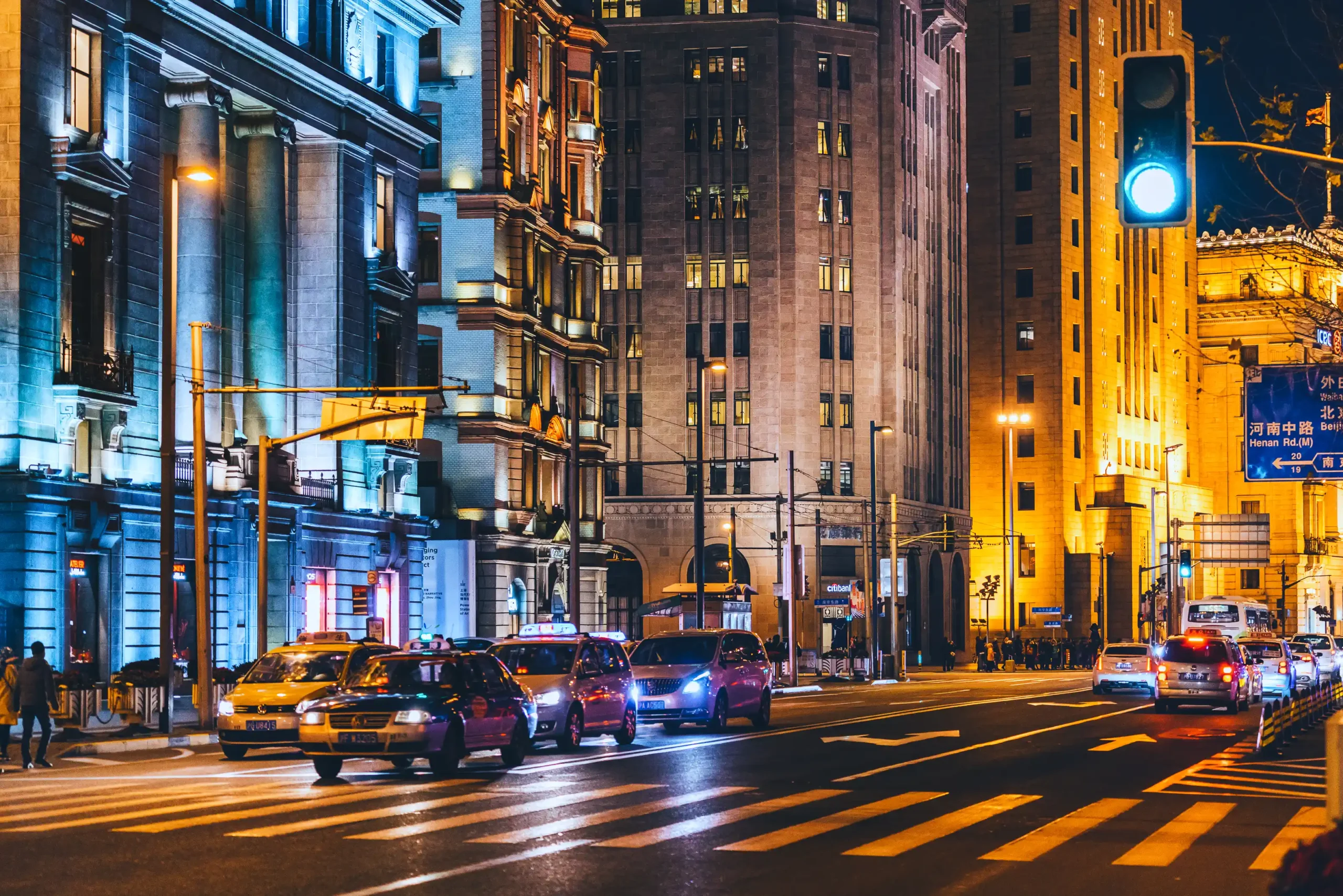
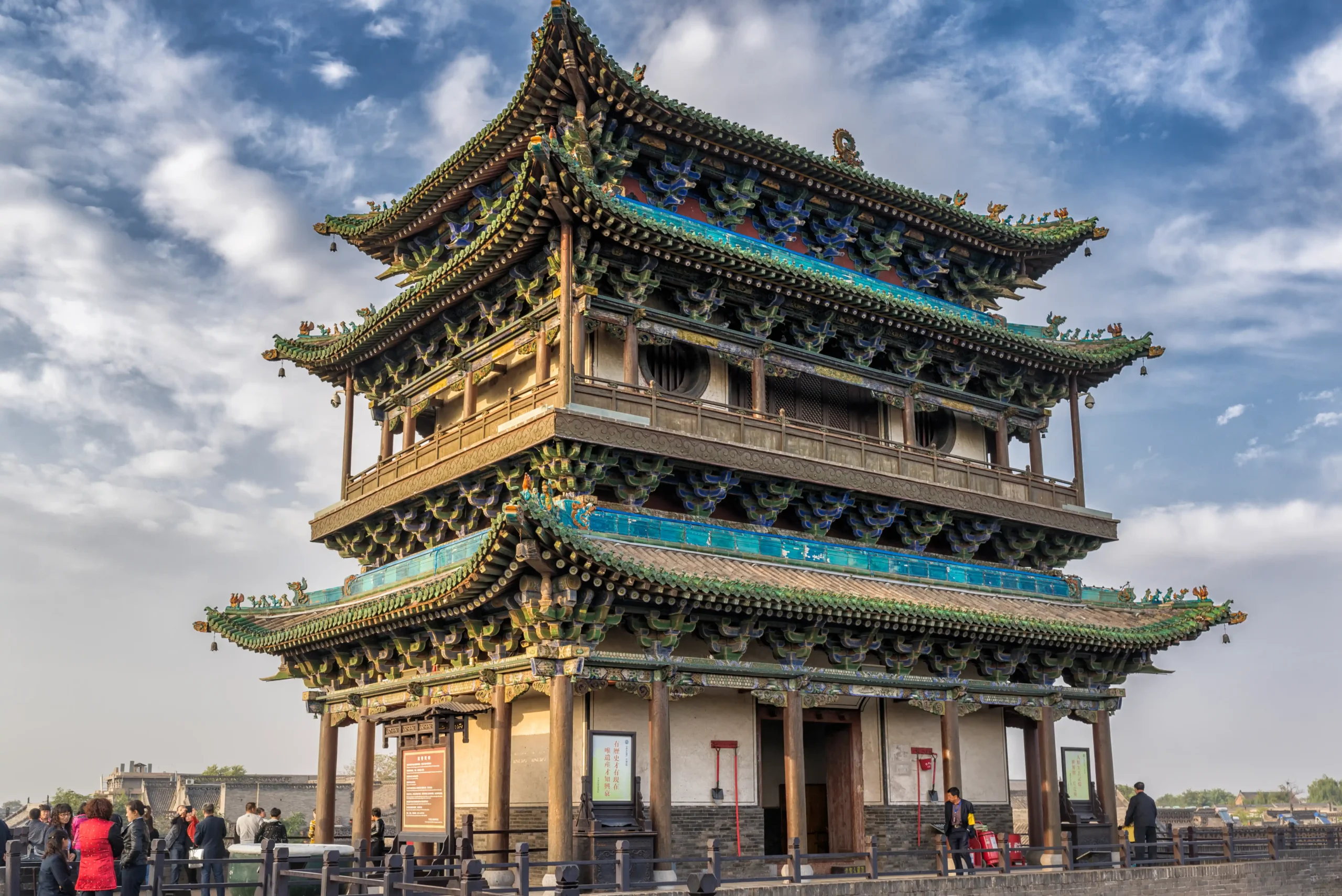
15-Day Classic Bespoke Tour: Beijing · Xi’an · Guilin · Yangshuo · Chongqing · Yangtze Three Gorges · Suzhou · Shanghai
Theme: A Symphony of Millennial Ancient Charm & Modern China
Travel Style: Bespoke Private Group | Private Transfer Throughout | Including High-Speed Train/Airplane/Cruise Tickets
Accommodation: 4-Star & Above Selected Hotels (Including Featured Ancient City/Water Town Boutique Stays)
Highlights: Mutianyu Great Wall Hiking, Forbidden City In-Depth Tour, Terracotta Army Pottery Making, Li River Boating & Cycling, Yangtze Three Gorges Grand View, Suzhou Garden Exploration, Shanghai Urban Night View
Description
Day 1: Arrival in Beijing · First Glimpse of the Imperial Capital
Itinerary Overview
- Depart from various locations and arrive at Beijing Capital International Airport via international flights.
- Professional guide greets you with a name sign, then private transfer to the hotel for check-in.
- Free time for the whole day to kick off your China journey.
Recommended Self-Guided Tours
- Qianmen Street: Traditional Beijing-style commercial street, try sugar-coated haws (bingtanghulu) and fried sauce noodles (zhajiangmian).
- Wangfujing Pedestrian Street: Blend of modern shopping and traditional snacks.
- National Centre for the Performing Arts or Bird’s Nest Night View: Admire the beauty of Beijing’s modern architecture.
Warm Tips
- Suggest adjusting jet lag in advance and adapting to the northern climate (dry with large day-night temperature differences).
- Welcome tea and itinerary handbook are provided at the hotel for next day’s preparation.
Day 2: Beijing · Echoes of Civilization at the Imperial City Roots
Itinerary Overview
Morning
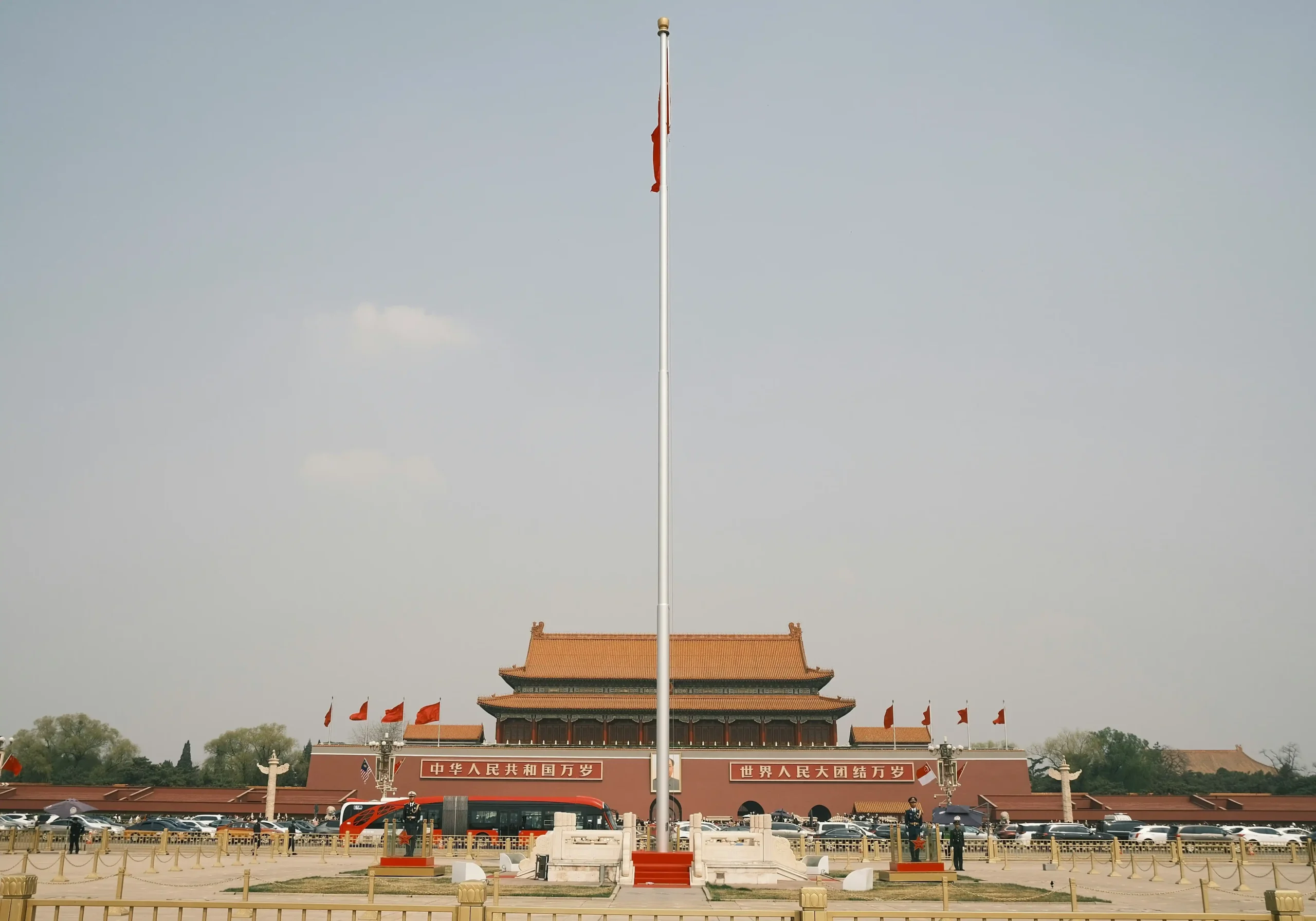
- Visit [Tiananmen Square] — the world’s largest urban square, pay tribute to the Monument to the People’s Heroes.
- In-depth tour of [The Palace Museum] — 600-year-old imperial palace complex of Ming and Qing dynasties, walk through the central axis of the Forbidden City.
Afternoon
- Explore [Yonghe Temple] — imperial Tibetan Buddhist temple of the Qing Dynasty, integrating Han, Mongolian and Tibetan architectural arts.
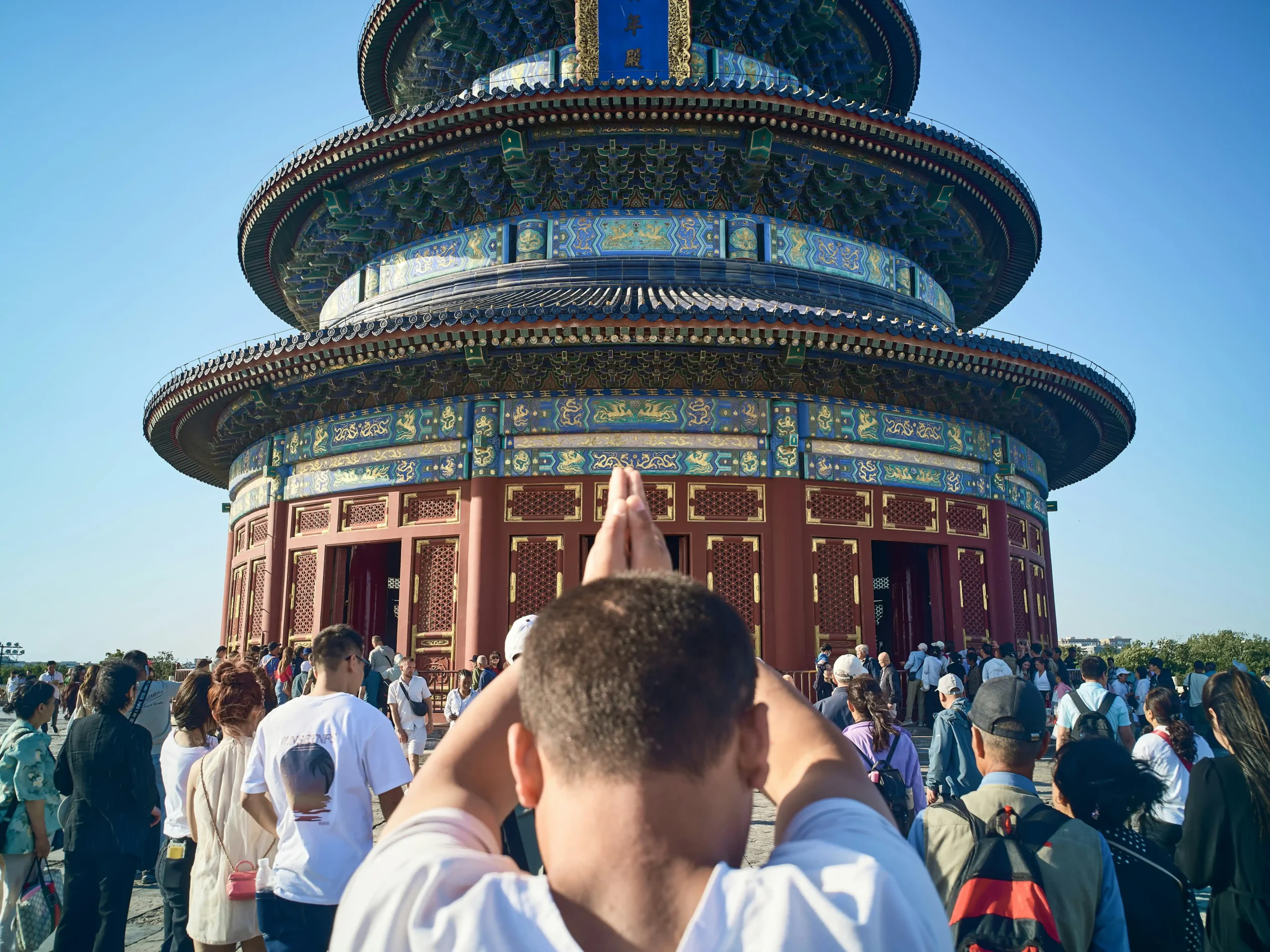
- Wander around [Temple of Heaven Park] — sacred place for ancient emperors to worship heaven and pray for grain, admire the dome wonder of the Hall of Prayer for Good Harvest.
Dining Arrangements
- Breakfast: Western buffet at the hotel.
- Lunch: Included a la carte meal (RMB 150 per person), recommended dishes: Peking duck, fried sauce noodles (zhajiangmian), Kung Pao chicken.
- Dinner: At your own expense, suggest trying hutong private home-cooked meals or mutton hot pot.
Day 3: Beijing · The Great Wall’s Grandeur & Hutong’s Daily Life
Itinerary Overview
Morning
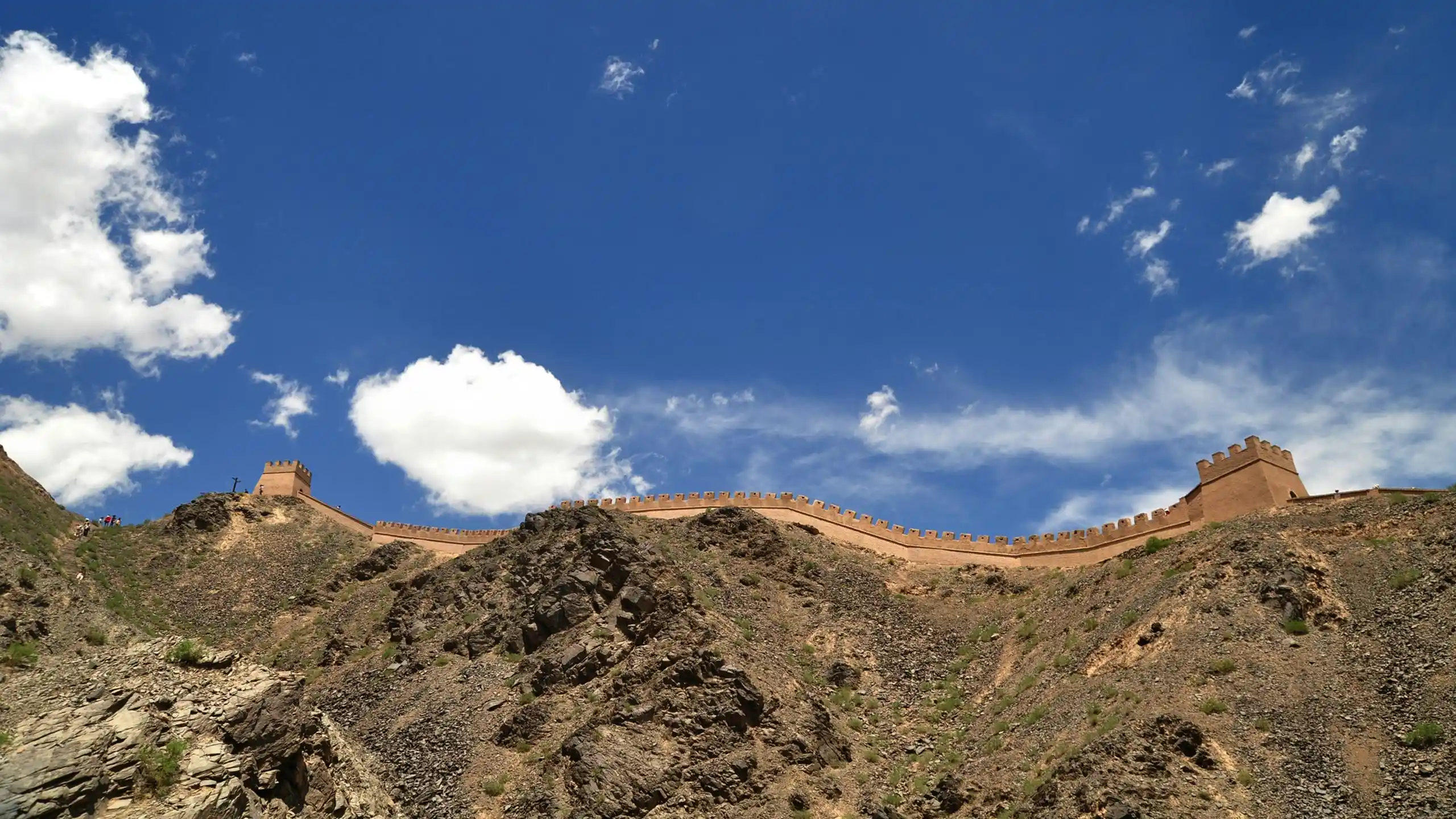
- Hike [Mutianyu Great Wall] — one of the best-preserved sections of the Ming Dynasty Great Wall.
- Take round-trip cable car to easily reach the watchtowers and enjoy the winding mountains.
Afternoon
- Visit the exterior of [Bird’s Nest & Water Cube] for photos.
- Immerse in [Beijing Hutongs] to experience old-town life, including rickshaw tour + local family visit.
Dining Arrangements
- Breakfast: Western buffet at the hotel.
- Lunch: Not included (mainly simple meals near the scenic area, guide can recommend).
- Dinner: At your own expense, suggest trying Gui Street spicy crayfish or authentic Beijing-style home-cooked dishes.
Day 4: Beijing → Xi’an · High-Speed Train Through Millennial Civilization
Itinerary Overview
Morning
- Tour [Summer Palace] — China’s largest surviving imperial garden, known as the “Museum of Imperial Gardens”.
Afternoon
- Take high-speed train to Xi’an (journey time: approx. 4.5–6 hours).
- Upon arrival, local guide meets you at the station and transfers to downtown hotel for check-in.
Dining Arrangements
- Breakfast: Western buffet at the hotel.
- Lunch: At your own expense (simple meals available in the garden or bring your own snacks).
- Dinner: Not included, after arriving in Xi’an, you can choose Muslim Quarter snacks or Shaanxi cuisine restaurants.
Day 5: Xi’an · Cultural Awakening of Qin’s Grandeur & Han’s Elegance
Itinerary Overview
Morning
- Visit [Emperor Qinshihuang’s Mausoleum Site Museum] — the Eighth Wonder of the World.
- Special arrangement: Visit the former residence of Yang Zhifa, discoverer of the Terracotta Army, and listen to his first-hand stories.
Noon
- Hands-on experience: Make mini Terracotta Army figurines under the guidance of craftsmen and engrave your name as a souvenir.
Afternoon
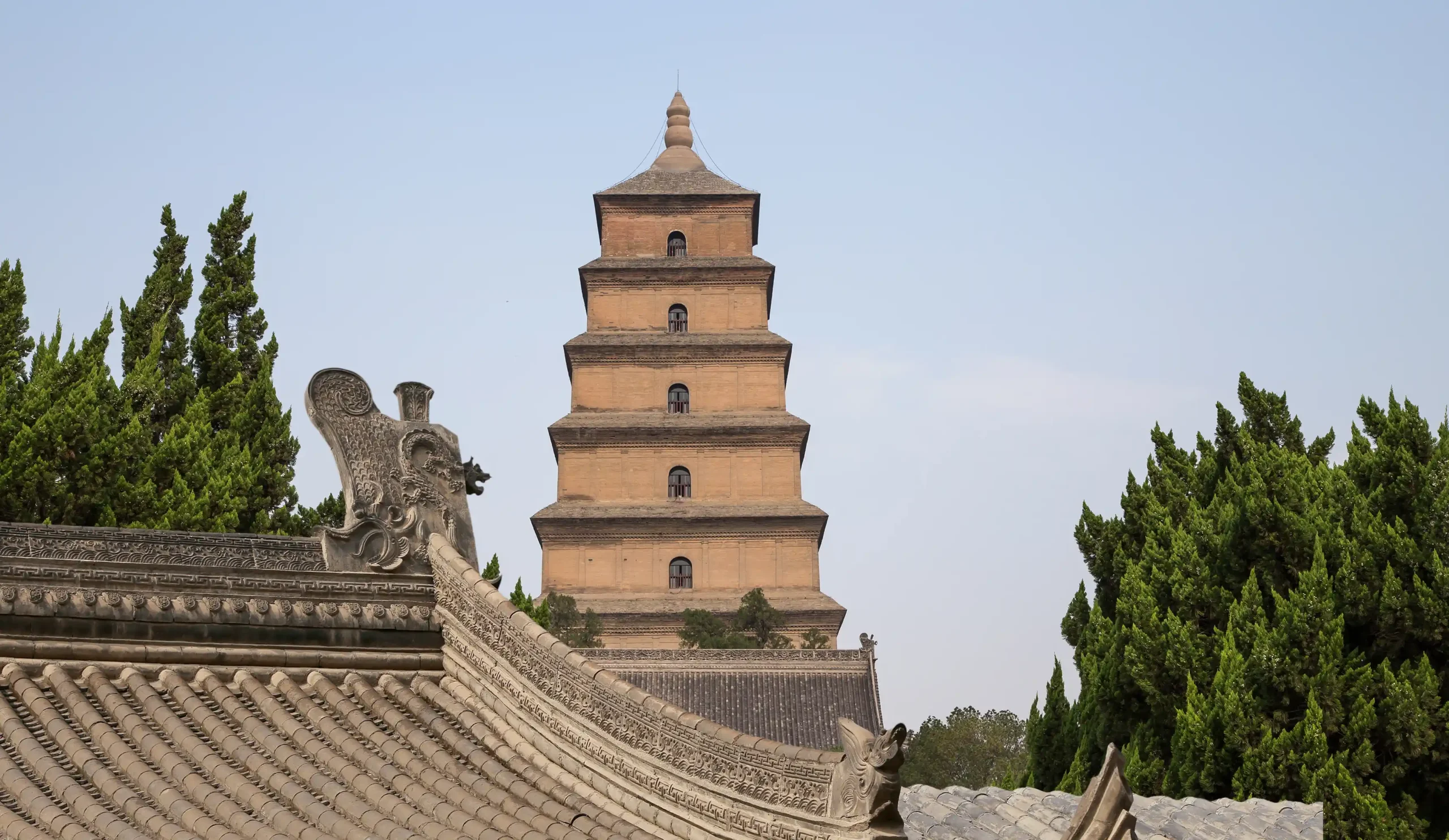
- Climb [Giant Wild Goose Pagoda] — where Monk Xuanzang translated Buddhist scriptures in the Tang Dynasty.
- Wander around [Datang Never Sleeps City] — immersive Tang-style themed block with brilliant night view.
Dining Arrangements
- Breakfast: Western buffet at the hotel.
- Lunch: Not included (can dine near the scenic area).
- Dinner: At your own expense, recommend trying local Shaanxi flavors such as roujiamo (pork burger), liangpi (cold noodles), biángbiáng noodles.
Day 6: Xi’an · Ancient City Wall & Fusion of Beliefs
Itinerary Overview
Morning
- Wander around [Xi’an City Wall Park] — the most intact ancient city wall in China.
- Optional: Cycle or walk around the entire wall (total length: 13.7 km).
Noon
- Visit [Huajue Lane Great Mosque] — the only mosque in China integrating Islamic and Chinese architectural styles.
- Enjoy snacks freely at [Muslim Quarter].
Afternoon
- Tour [Hanyang Mausoleum Museum] — the underground kingdom of Emperor Jing of Han, with glass plank road for tomb exploration.
Evening
- Take flight to Guilin to start a new chapter of landscape journey.
Dining Arrangements
- Breakfast: Western buffet at the hotel.
- Lunch: Not included (choose food freely at Muslim Quarter).
- Dinner: Simple meal on the plane or at your own expense after arriving in Guilin.
Day 7: Guilin → Yangshuo · Drifting Through Li River Gallery
Itinerary Overview
Morning
- After breakfast, take a boat downstream along [Li River] to Yangshuo (sailing time: approx. 4 hours).
Afternoon
- Arrive in Yangshuo and check in at the hotel.
- Enjoy [rural leisure cycling] — ride through pastoral scenery, visit Moon Hill and Big Banyan Tree.
Dining Arrangements
- Breakfast: Western buffet at the hotel.
- Lunch: Chinese box meal provided on the boat (simple set meal, not high-end).
- Dinner: At your own expense, recommend trying beer fish, field snail stuffed with meat, Guilin rice noodles.
Day 8: Yangshuo · Slow Life Amidst Mountains & Rivers
Itinerary Overview
- Free time for the whole day, choose any combination of the following according to your interests:
- Continue cycling to explore unexplored routes.
- Wander around [West Street] to feel exotic atmosphere and daily life.
- Experience outdoor activities such as rock climbing, bamboo rafting, karst cave exploration.
- Watch Zhang Yimou’s real-scene performance “Impression Sanjie Liu” (at your own expense).
Warm Tips
- If attending the night performance, please bring a jacket to keep warm against the damp cold by the river.
- West Street has many bars, suitable for young people to socialize; family travelers can choose quiet teahouses to relax.
Day 9: Yangshuo → Chongqing · Mountain City’s Lights Shine
Itinerary Overview
Early Morning
- Return to Guilin urban area and take high-speed train to Chongqing (journey time: approx. 5 hours).
Evening
- Arrive in Chongqing, guide meets you at the station and transfers to the pier to board the cruise ship.
- Board the luxury Yangtze River cruise ship to start the Three Gorges voyage.
- Luxury cruise includes captain’s welcome dinner + buffet dinner.
Dining Arrangements
- Breakfast: Western buffet at the hotel.
- Lunch: Simple meal on the high-speed train or bring your own snacks.
- Dinner: Cruise ship buffet (luxury type includes welcome dinner).
Day 10: Yangtze Cruise · First Exploration of Gorge Secrets
Itinerary Overview
Morning
- Onshore visit: [Fengdu Ghost City] (for passengers of New Century Cruise) or [Shuanggui Mountain] (for passengers of Victoria Cruise).
Afternoon
- Onboard cultural activities: Tai Chi morning exercise, calligraphy class, tea art performance, etc.
Onboard Living Guide
- Daily itinerary card is distributed with activity schedule.
- Facilities include gym, chess & card room, cinema, duty-free shop.
- Guide announces next day’s weather and docking arrangements daily.
Dining Arrangements
- Breakfast: Western buffet on the cruise ship.
- Lunch: Chinese buffet on the cruise ship.
- Dinner: Chinese buffet on the cruise ship.
Day 11: Yangtze Cruise · Wushan Goddess & Three Small Gorges
Itinerary Overview
- Sail through the core section of the Three Gorges all day:
- Morning: Pass through [Qutang Gorge] and [Wu Gorge], admire the strange peaks on both banks.
- Afternoon: Transfer to eco-ferry to explore [Small Three Gorges] or [Little Three Gorges] (Quannü Stream).
Photography Tips
- Use a polarizing filter to reduce reflections and highlight water texture.
- Get up early to occupy the top deck to capture mountain shadows in the morning mist.
Dining Arrangements
- Breakfast: Western buffet on the cruise ship.
- Lunch: Chinese buffet on the cruise ship.
- Dinner: Chinese buffet on the cruise ship.
Day 12: Yichang → Suzhou · From Hydropower Dam to Jiangnan Gardens
Itinerary Overview
Early Morning
- The cruise ship docks at Maoping Wharf in Yichang, disembark and check out.
Morning
- Visit [Three Gorges Dam] — the world’s largest water conservancy project.
- Climb Tanzi Ridge Observation Deck for a panoramic view.
- Tour the Diversion Memorial Park and Five-Level Ship Lock.
Afternoon
- Transfer to Yichang East Railway Station and take high-speed train to Suzhou (journey time: approx. 6 hours).
- Upon arrival, Suzhou guide meets you at the station and transfers to the hotel for rest.
Day 13: Suzhou → Shanghai · Garden Elegance & Water Town Dreams
Itinerary Overview
Morning
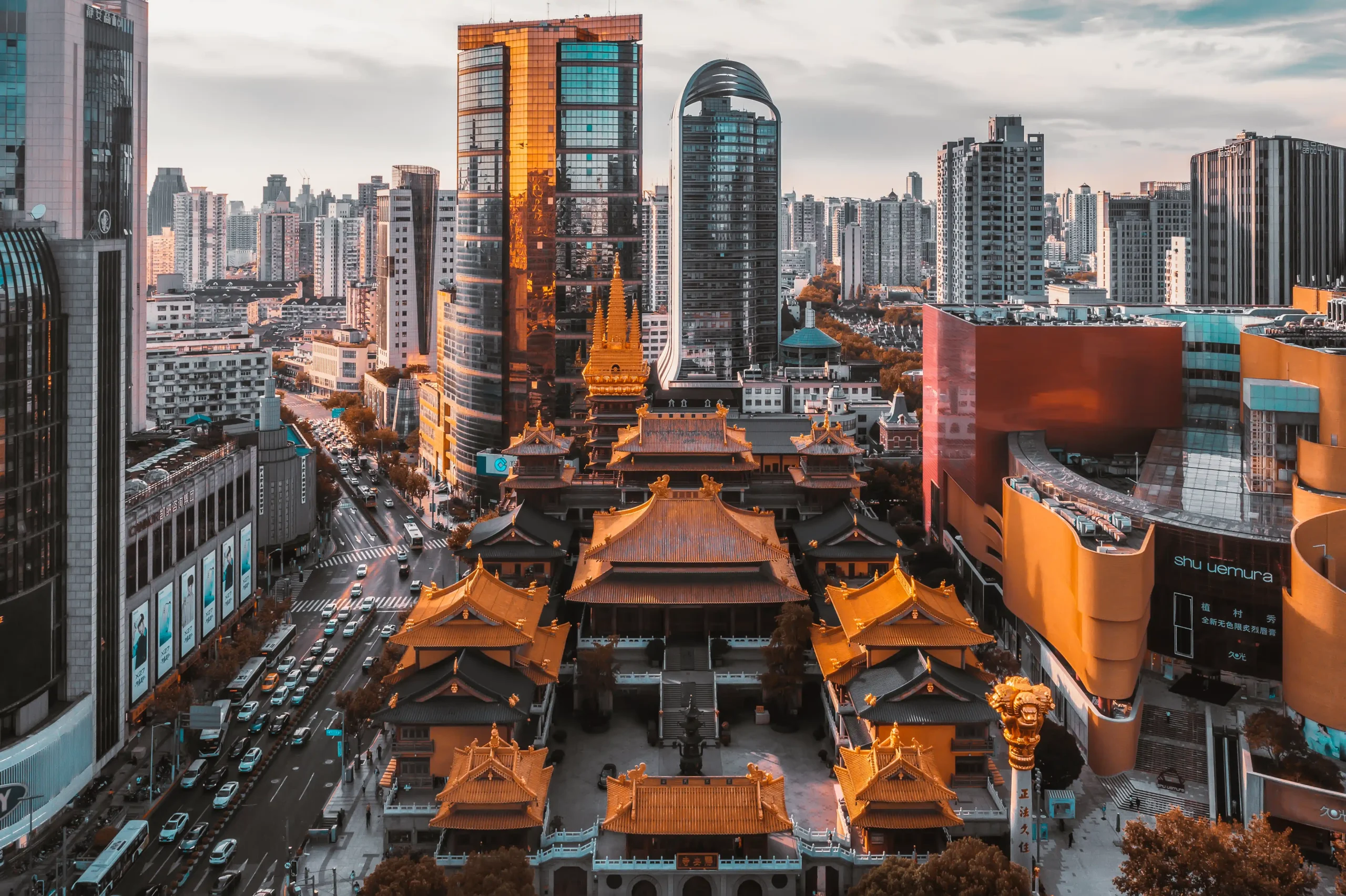
- Tour [Humble Administrator’s Garden] — the top of China’s Four Great Classical Gardens.
- Visit [Suzhou Museum] — designed by I.M. Pei, a model of integration of modern and classical styles.
Afternoon
- Travel to [Tongli Ancient Town] — “Oriental Venice” with small bridges, flowing water and ancient residences.
- Afterward, drive to Shanghai (journey time: approx. 1.5 hours).
Dining Arrangements
- Breakfast: Western buffet at the hotel.
- Lunch: Not included (guide can recommend time-honored restaurants such as Songhelou and Deyue Lou).
- Dinner: At your own expense, after arriving in Shanghai, you can choose Shanghainese cuisine or international food.
Day 14: Shanghai · Urban Neon & Historical Echoes
Itinerary Overview
Morning
- Visit [Shanghai Museum] — a treasure trove of ancient Chinese art.
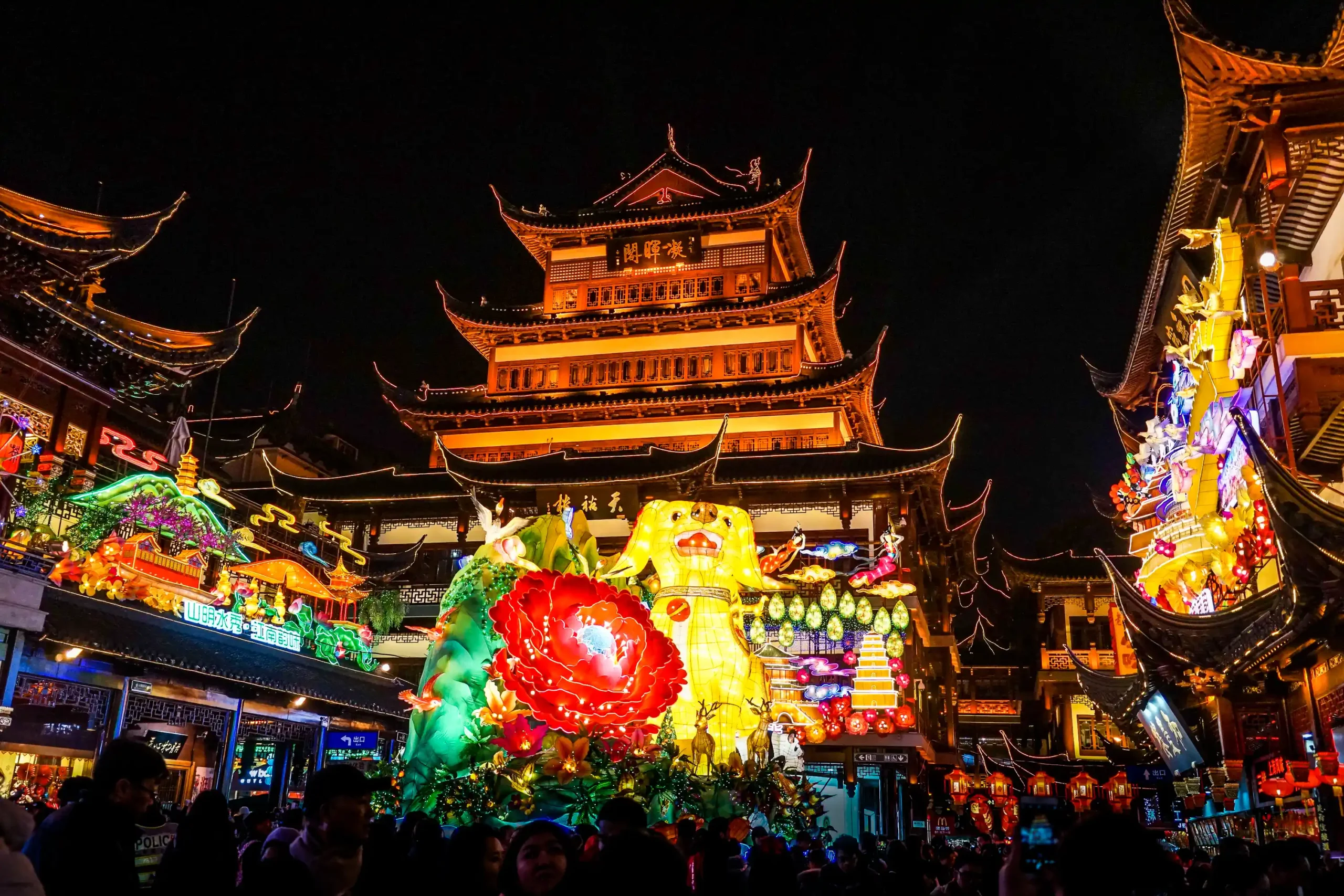
- Tour [Yuyuan Garden] and [City God Temple Bazaar] — cultural landmarks of the old town.
Noon
- Included a la carte meal (RMB 150 per person), taste authentic Shanghainese cuisine and Cantonese dim sum.
Afternoon
- 1-hour Huangpu River cruise — enjoy the scenery on both banks.
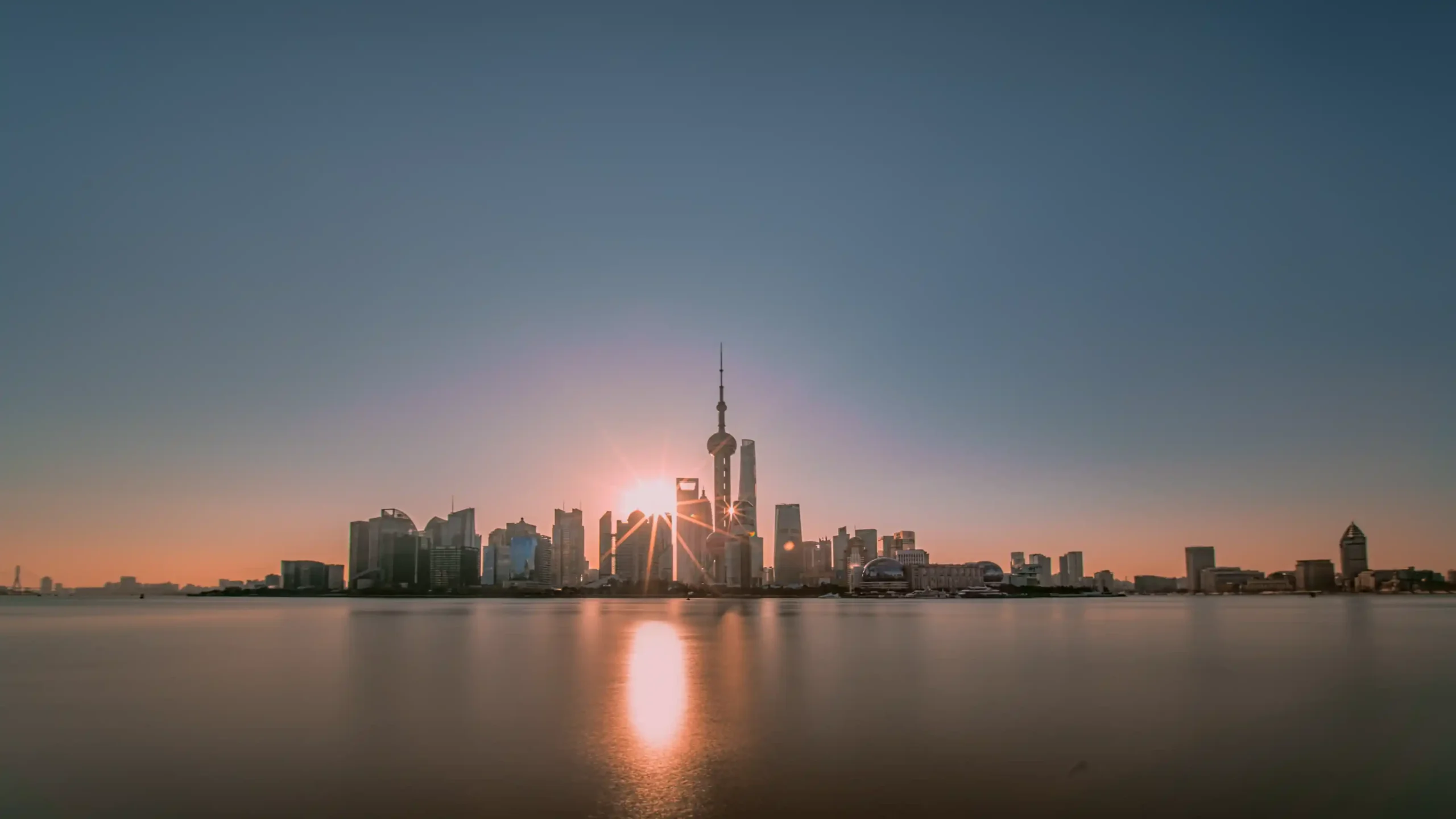
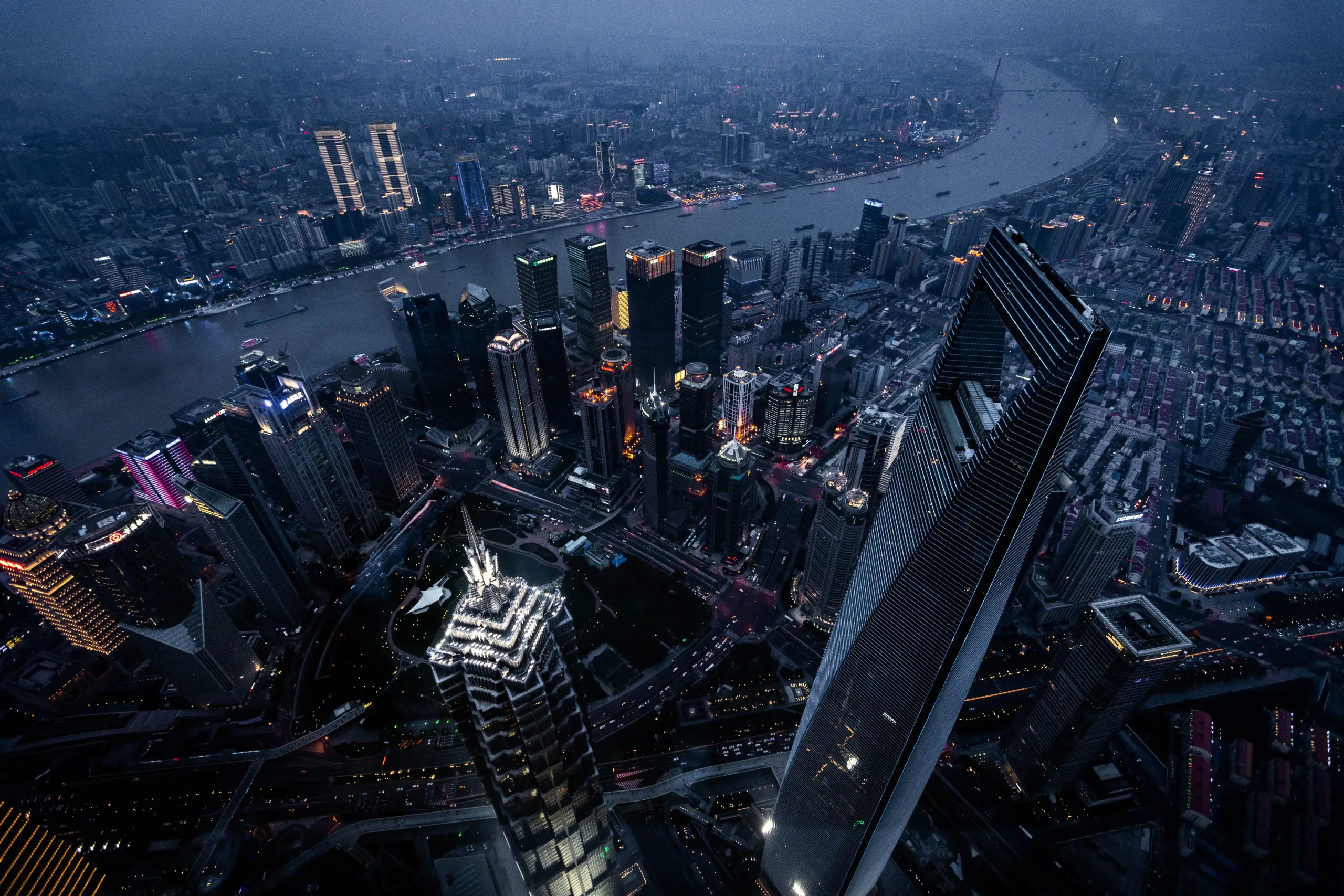
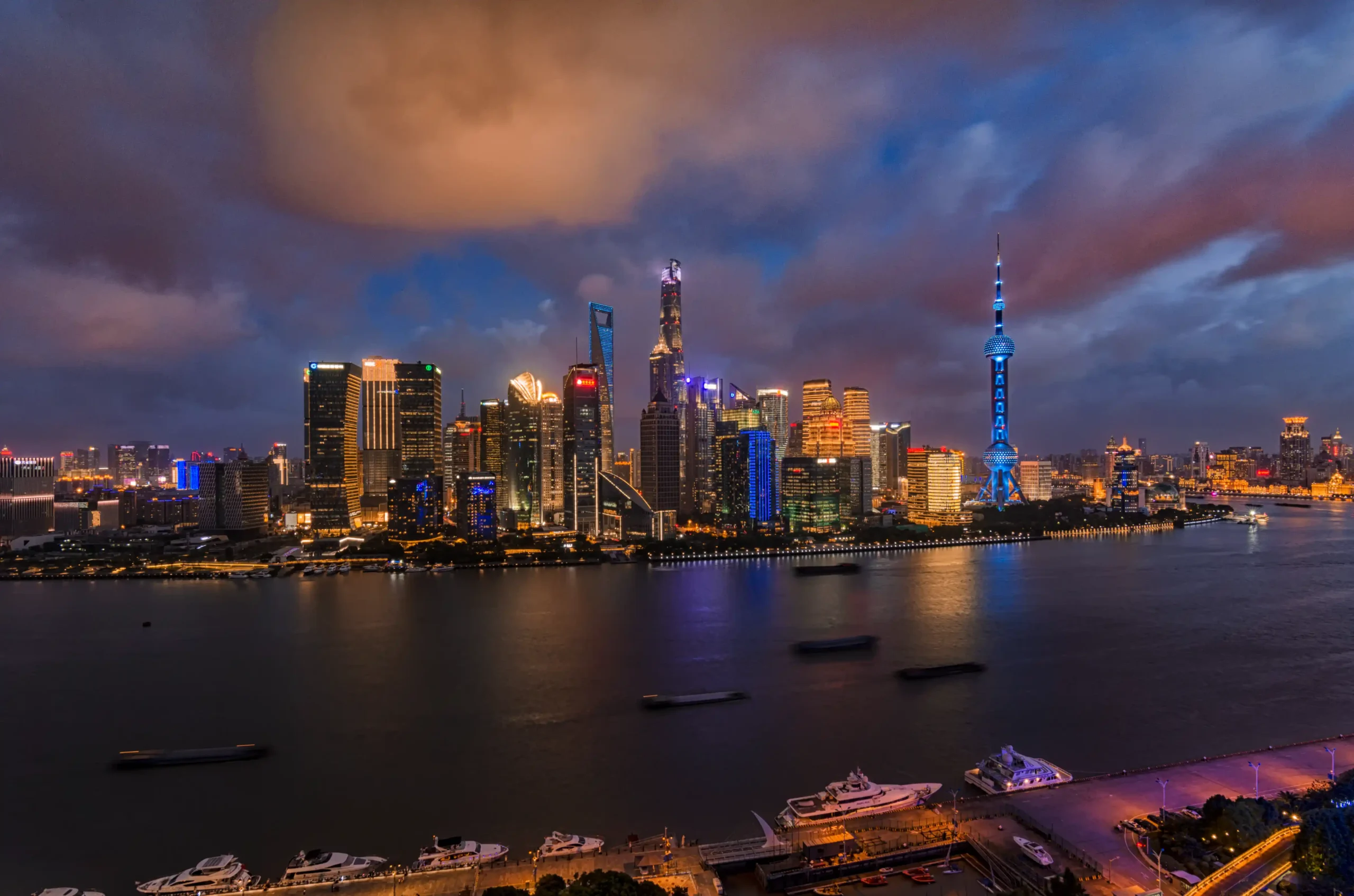
- Wander around [The Bund] and overlook the Lujiazui skyscraper cluster.
- Explore [Tianzifang] — an artistic and creative district transformed from shikumen buildings.
Dining Arrangements
- Breakfast: Western buffet at the hotel.
- Lunch: Included a la carte meal (recommended dishes: crab roe tofu, braised pork in brown sauce, shrimp dumplings).
- Dinner: At your own expense, suggest enjoying a romantic dinner at a Bund restaurant.
Day 15: Shanghai Departure · Journey Home
Itinerary Overview
- Free time in the morning for last-minute shopping or relaxation.
- Check out before noon.
- Private transfer by guide to Pudong/Hongqiao Airport.
- Complete check-in procedures and take international flight back home.
Travel Message
“On this journey, we walked through the solemnity of the Forbidden City, touched the warmth of the Terracotta Army, boated on the misty Li River, wandered through the clouds of the Three Gorges, indulged in the tranquility of Suzhou gardens, and marveled at the brilliance of Shanghai’s Bund. This is not only a geographical migration but also a cultural pilgrimage. May these memories become an indelible impression of China in your heart.”
Introduction to all attractions
1. 天安门广场 (Tiananmen Square)
- Location: Center of Beijing, south of the Forbidden City
- Core Status:
- The world's largest urban central square (covering an area of 440,000 square meters)
- National political symbol, venue for major festival celebrations and military parades
- Historical Significance:
- Built during the Yongle reign of the Ming Dynasty, originally the square in front of "Chengtianmen" (Gate of Accepting Heaven's Mandate)
- Became an important symbol of national image after the founding of the People's Republic of China
- Highlights:
- Watching the flag-raising ceremony (every early morning)
- Overlooking landmark buildings including the Monument to the People's Heroes, Chairman Mao Memorial Hall, and the National Museum of China
- Guide's Key Explanations:
- The square's role in modern Chinese history (e.g., the May Fourth Movement, the Founding Ceremony)
Note: The itinerary will include a seamless walk from Tiananmen Square to the north gate of the Forbidden City for consecutive visits.
2. 故宫 (The Forbidden City / Palace Museum)
- Official Name: Zijin Cheng (Purple Forbidden City)
- Construction Period: Started in the 4th year of Yongle reign in the Ming Dynasty (1406), completed in 14 years
- Historical Background:
- Imperial palace of 24 emperors from the Ming and Qing dynasties
- "Purple" represents the North Star at the center of the sky; "Forbidden" means common people were prohibited from entering
- Scale Data:
- Covers an area of about 720,000 square meters with a floor area of approximately 150,000 square meters
- Has 9,999 and a half palace rooms (symbolizing imperial authority)
- Architectural Features:
- Symmetrical layout along the central axis, embodying Confucian ritual system
- Yellow glazed tile roofs, red walls and golden columns, white marble platforms
- Main building complexes include the Hall of Supreme Harmony, Hall of Central Harmony, Hall of Preserving Harmony (the Outer Three Halls), Palace of Heavenly Purity, Hall of Union, and Palace of Earthly Tranquility (the Inner Three Halls)
- Cultural Connotations:
- Demonstrates ancient imperial power system, court life, and etiquette norms
- Houses a large collection of precious cultural relics (paintings, porcelains, jades, etc.)
- VIP Exclusive Services:
- Guides lead tours over 100 times a year, familiar with the best visiting routes
- In-depth guided tour of at least 2 hours, covering all important palaces
- Telling little-known historical stories (e.g., officials getting up at 3 a.m. to attend court without breakfast)
Fun Fact: Ancient officials had to attend the "Morning Court" early in the morning, getting up before dawn and not allowed to eat to avoid needing to use the toilet during the court session, which was extremely tough.
3. 雍和宫 (Yonghe Temple / Yonghegong Lamasery)
- Original Purpose: Prince Yong's Mansion before Emperor Yongzheng of the Qing Dynasty ascended the throne
- Conversion Time: Converted into a Tibetan Buddhist temple in the 9th year of Qianlong reign (1744)
- Religious Status:
- The largest and best-preserved lamasery in Beijing
- Belongs to the Gelugpa (Yellow Hat) sect, once one of the centers for the Qing government to manage Mongolian and Tibetan affairs
- Integrated Architectural Style:
- Han-style palace layout + Manchu decorative elements + Mongolian religious functions + Tibetan Buddha statue art
- Main Attractions:
- Giant Maitreya Buddha statue inside Wanfu Pavilion (carved from a single white sandalwood tree, 18 meters high)
- Ancient architectural relics including the Hall of the Dharma Wheel, Zhaotai Gate, and Stele Pavilion
- A popular site with a constant stream of worshippers
- Cultural Value:
- A tangible witness to the unity and cultural exchange among Han, Manchu, Mongolian, and Tibetan ethnic groups
Visiting Advice: Maintain silence and respect the etiquette of religious sites.
4. 天坛 (Temple of Heaven)
- Construction Time: 18th year of Yongle reign in the Ming Dynasty (1420)
- Functional Orientation:
- Venue for emperors of the Ming and Qing dynasties to worship heaven and pray for good harvests
- Site for the most solemn imperial sacrificial rituals
- Core Building Complexes:
- Hall of Prayer for Good Harvests: Circular three-eaves blue-tiled golden roof, symbolizing "the sky is round and the earth is square"
- Circular Mound Altar: Three-tiered circular stone altar for worshipping heaven on the Winter Solstice
- Imperial Vault of Heaven & Echo Wall: Acoustic wonders where whispers can be heard dozens of meters away
- Design Concept:
- The number "nine" runs through the entire complex (e.g., number of steps, stone slabs), symbolizing the ultimate yang number
- Gradually decreasing building heights, expressing reverence for heaven
- Current Use:
- Opened as a park, where morning exercises, Tai Chi, and Peking Opera singing by citizens are common sights
- Contrast Experience Between Ancient and Modern Times:
- Once a sacred forbidden area → Now a leisure paradise for ordinary people
Guide's Tip: On-site demonstration of the Echo Wall effect to experience the wisdom of ancient people.
5. 慕田峪长城 (Mutianyu Great Wall)
- Honor: One of the Seven Wonders of the World
- Location: Huairou District, Beijing, about 70 kilometers from downtown
- Historical Origin:
- First built during the Northern Qi Dynasty, extensively renovated and reinforced in the Ming Dynasty
- An important defense line for protecting the capital during the Ming Dynasty
- Characteristics and Advantages:
- Beautiful scenery with high vegetation coverage (known as the "Green Great Wall")
- Relatively fewer tourists, suitable for in-depth visits
- Well-equipped with cable cars for ascending and descending
- Structural Features:
- Total length of 5.4 kilometers with 22 existing watchtowers
- Double-sided crenellations design, capable of both offense and defense
- Visiting Methods:
- Round-trip cable car arranged in the itinerary for easy ascent to the top
- Recommended to hike a section of the wall to overlook the winding beauty of the mountains
- Cultural Significance:
- A masterpiece of ancient Chinese military defense projects
- A crystallization of the wisdom and hard work of the working people
Dressing Advice: Wear comfortable non-slip shoes for easy climbing; keep warm and protect against wind.
Shipping and Delivery
