

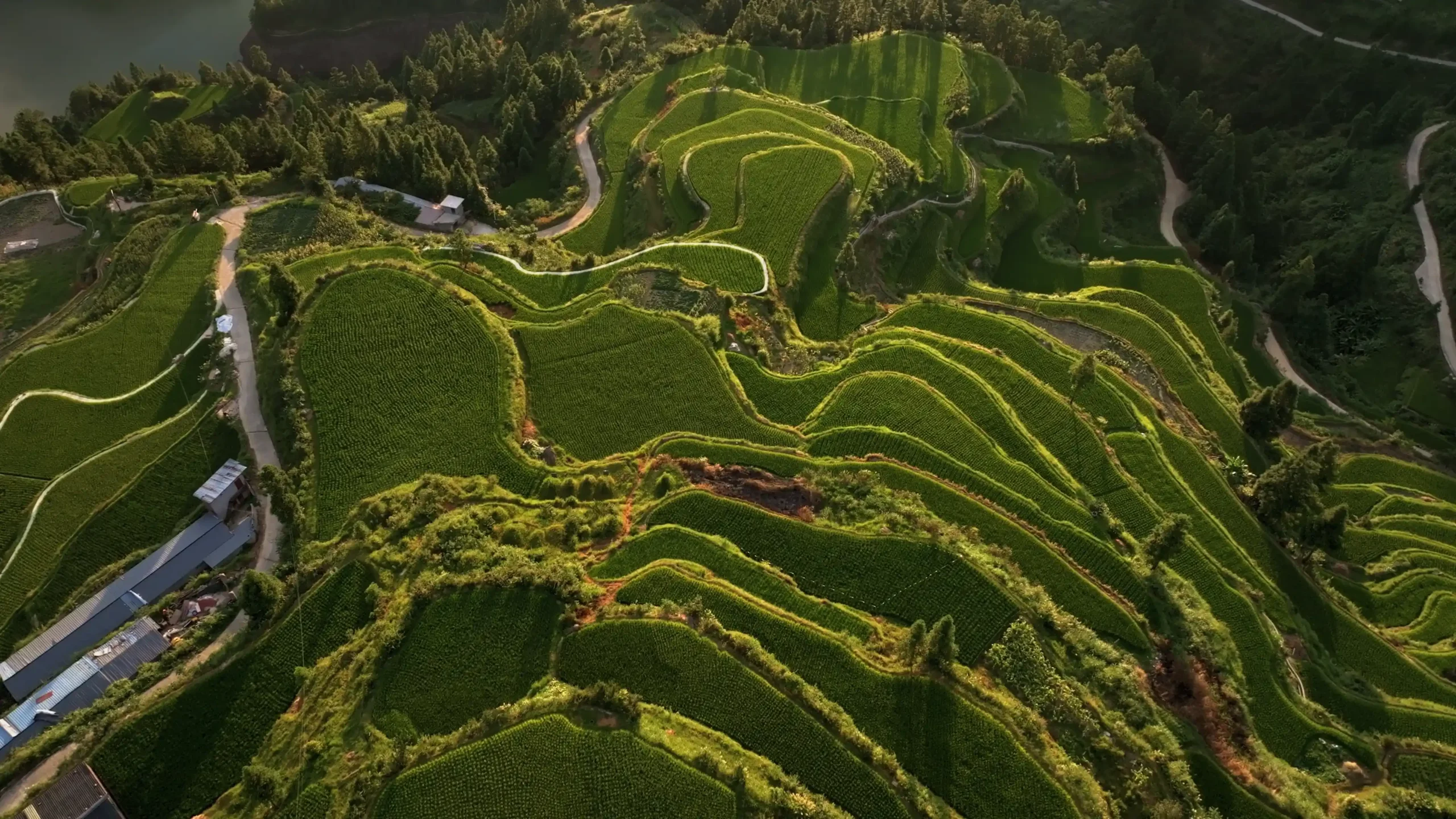
Journey to Yunnan’s Hidden Gems
$1,999.00
Yunnan · 10-Day In-depth Tour of Kunming, Dali, Lijiang, Shangri-La & Deqin
Theme: An Encounter with Gentle Breezes, Blooming Flowers, Moonlit Skies, Snowy Scenes and Snow Mountain Sanctuaries
Travel Style: Private Group for Exclusive Family | SUV or Van Assigned Based on Group Size (Including High-speed Train Tickets)
Accommodation Standard: Selected 4-diamond Hotels Throughout the Trip (Including Featured Boutique Hotels in Ancient Towns)
Core Highlights:
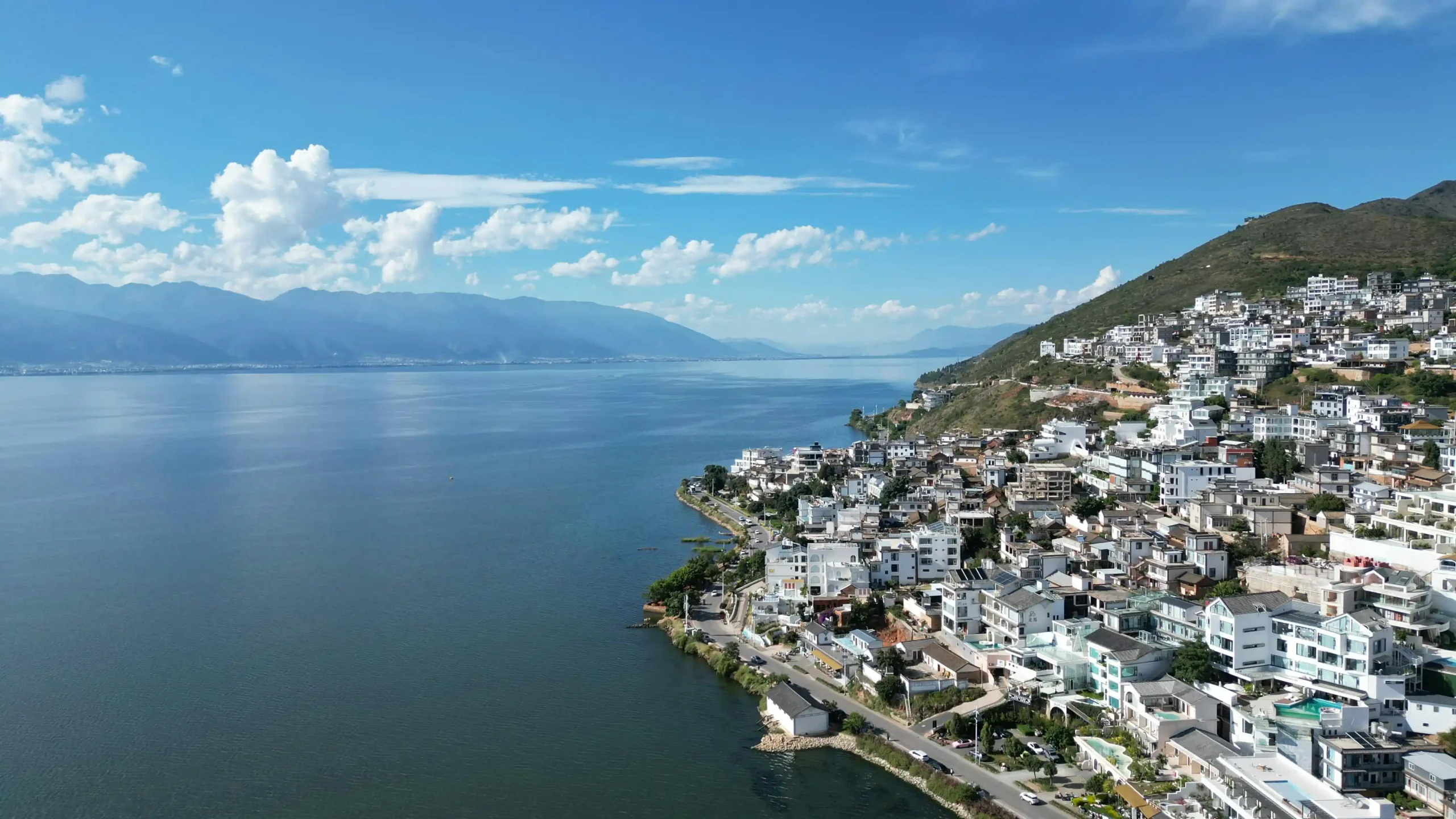
- Cycling Along Erhai Lake
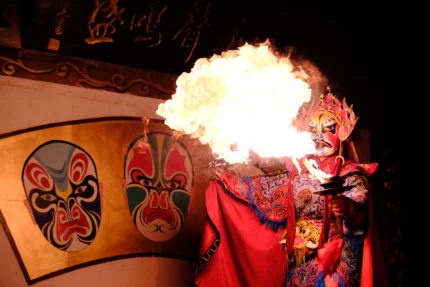
- Intangible Cultural Heritage Experience of Bai Batik
- Yulong Snow Mountain Main Ropeway Ride
- Light Hiking at Tiger Leaping Gorge
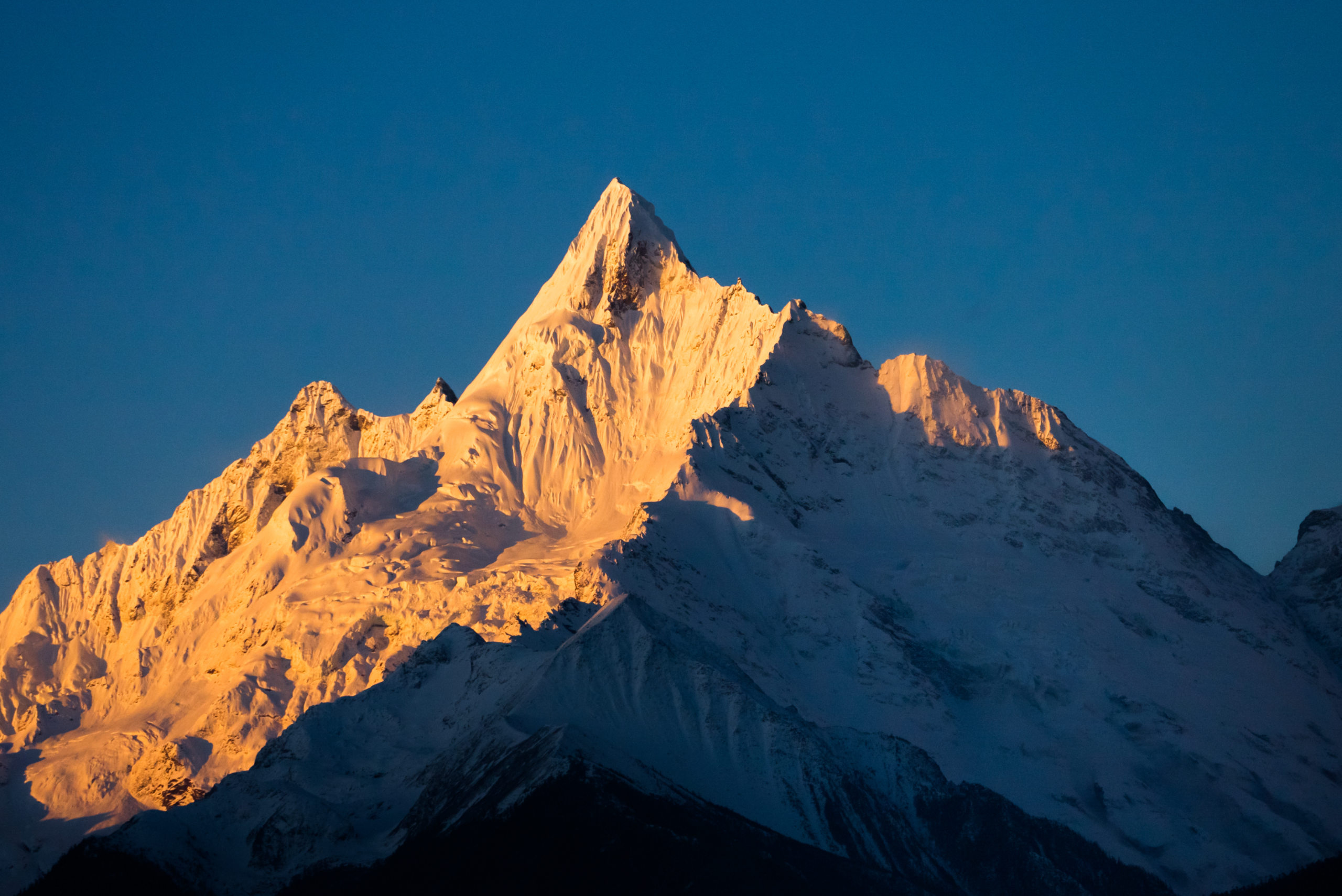
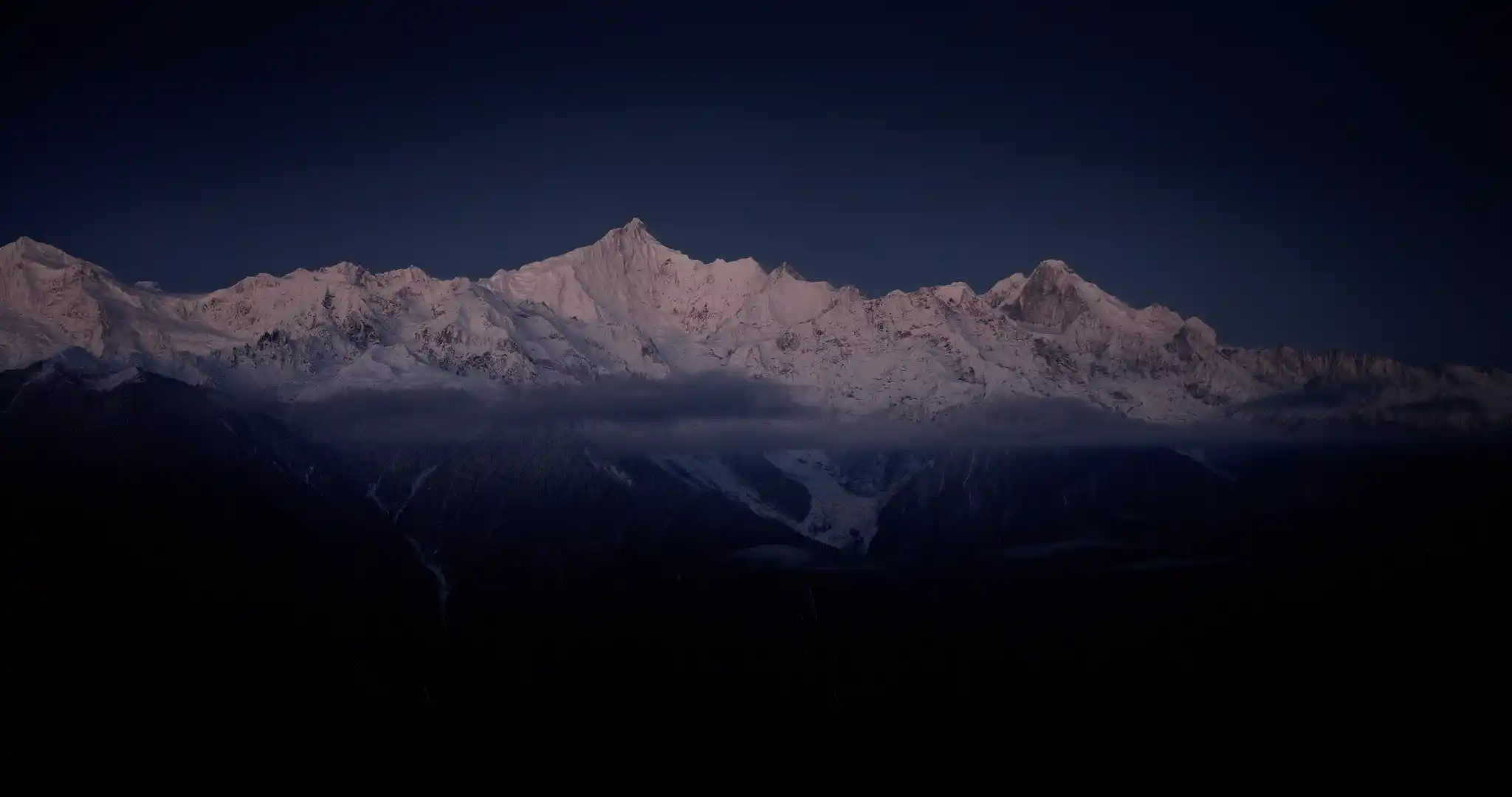
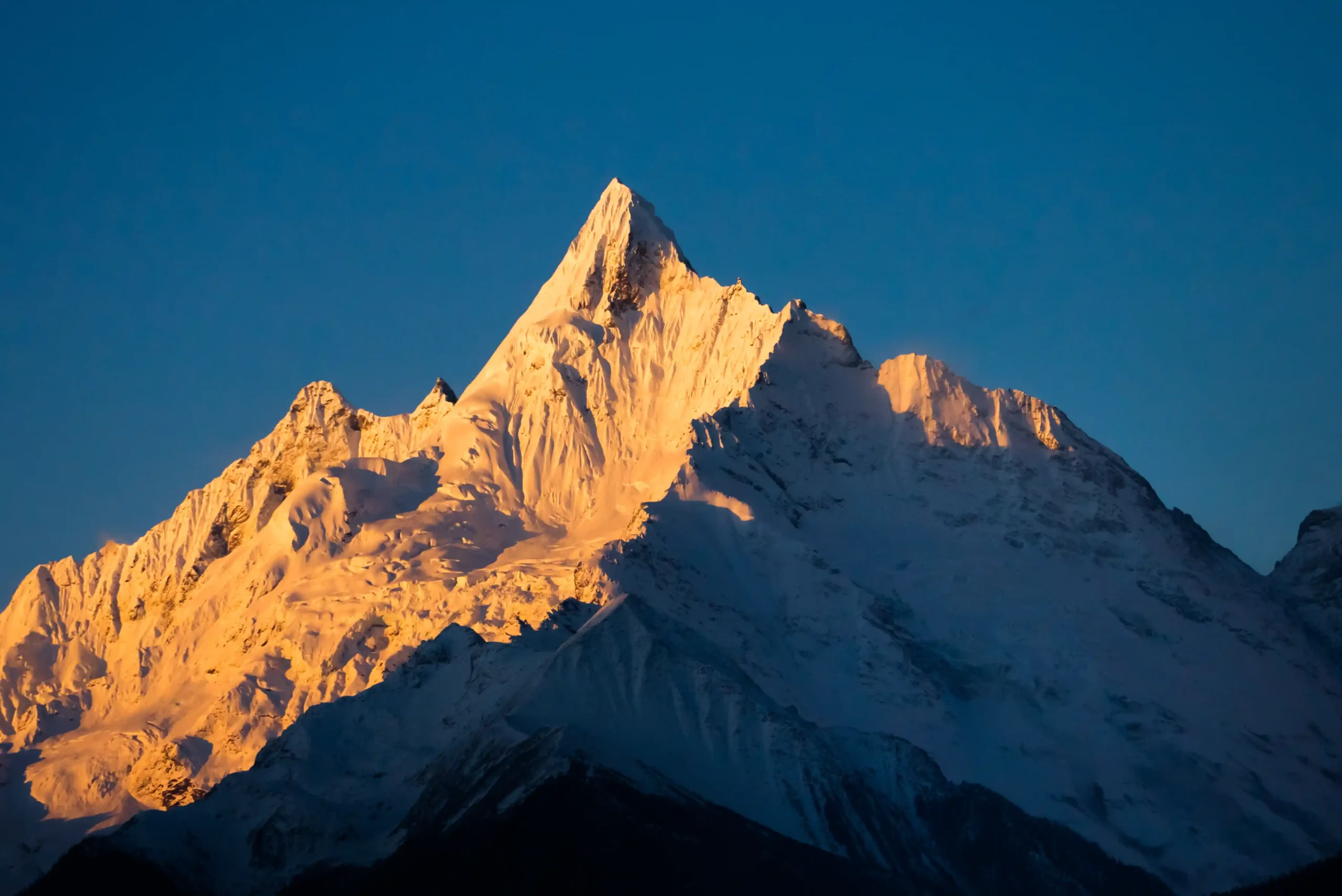
- Sunlit Golden Peaks at Meili Snow Mountain
- Exploration of Pudacuo National Park
- Immersion in Tibetan Culture
Day 1: Arrival in Kunming · Meeting the Spring City
Itinerary Overview
- Depart from various locations and arrive at Kunming Changshui International Airport or Kunming Railway Station
- Private transfer service provided to the selected hotel for check-in
- Free time throughout the day to experience the city’s slow life
- Recommended self-guided visits: Cuihu Park, Yunnan Military Academy, Nanping Street Night Market
Warm Tips
- It is advisable to arrive in advance to acclimatize to the plateau climate (Kunming’s altitude is approximately 1900 meters)
- Welcome drinks are provided at the hotel to relieve travel fatigue
Day 2: Kunming → Dali · Poetic Journey by Erhai Lake
Itinerary Overview
- Morning: Take the high-speed train to Dali (about 2 hours) and enjoy the scenery of central Yunnan along the way
- Afternoon: Start the [Cycling on Erhai West Coast Ecological Corridor], check in at the Internet-famous S-bend & Longkan Wharf
- Evening: Visit [Xizhou Ancient Town] to experience Bai ethnic group’s batik craftsmanship and wander around [Dali Ancient City]
Day 3: Dali East Coast Loop → Lijiang
Itinerary Overview
- Morning: Drive along the east bank of Erhai Lake and pass through the remains of the Ancient Tea Horse Road
- Visit [Fengyangyi Village] → [Ideal State] → [Wenbi Village] → [Shuanglang Ancient Town]
- Evening: Take a bus to Lijiang (about 2.5 hours)
Day 4: Yulong Snow Mountain · Top of the Glacier
Itinerary Overview
- Morning: Enter [Yulong Snow Mountain Scenic Area] and take the main ropeway to Glacier Park (altitude 4506 meters)
- Noon: Visit [Blue Moon Valley] (including electric car) and [White Water River]
- Afternoon: Watch the live-action performance “Impression Lijiang” directed by Zhang Yimou
- Evening: Return to the hotel near Lijiang Ancient City for accommodation
Day 5: Medium Tiger Leaping Gorge Light Hiking · Rushing with the River
Itinerary Overview
- Morning: Depart from Lijiang to Tiger Leaping Gorge (about 1.5 hours)
- Conduct [Medium Tiger Leaping Gorge Light Hiking] (Tea Horse Inn → Midway Inn → Shuangsi Ni Platform)
- Hiking time is about 4–6 hours with moderate intensity and magnificent scenery
- Evening: Stay at a midway inn in the canyon
Hiking Route Description
- The whole journey is about 8 kilometers, with some sections built along cliffs and equipped with guardrails
- Best viewing spots: “Upper Tiger Leaping” Observation Deck, “Manhattan” Plank Road, “Shuangsi Ni” Platform
- You can hear the roaring of the Jinsha River and feel the power of nature
Safety Tips
- Not recommended for people with heart disease or hypertension
- Wear non-slip hiking shoes and carry drinking water and energy supplies
- Guides only provide route guidance and do not accompany into the mountain compulsorily
Day 6: Tiger Leaping Gorge → Shangri-La · Entering Tibet Area
Itinerary Overview
- Morning: Drive to Shangri-La via [Hutiaoxia-Shangri-La Highway] (about 3 hours)
- Stop at [Haba Snow Mountain Observation Platform] on the way to overlook the snow-capped mountain peaks
- Afternoon: Visit [White Water Terraces] → [Songzanlin Monastery] → [Dukezong Ancient City]
Day 7: Balagzong Grand Canyon → Feilai Temple
Itinerary Overview
- Morning: Deeply explore [Shangri-La Grand Canyon · Balagzong]
- Visit Bodhi Buddha’s Hand, Bala Village, and Shangri-La Grand Canyon
- Climb the glass observation deck to overlook Gezong Snow Mountain (cable slide not included)
- Afternoon: Drive to Feilai Temple (about 3 hours) to prepare for the next day’s viewing
Day 8: Feilai Temple · Meili Snow Mountain Sunlit Golden Peaks
Itinerary Overview
- Early Morning: Climb [Feilai Temple Observation Platform] to wait for the “Meili Snow Mountain Sunlit Golden Peaks”
- At sunrise (about 7:00–7:30), the sun shines on the top of Kawakarpo Peak, glowing with golden light
- Morning: Return to Shangri-La and visit [Napa Lake] to enjoy the grassland and lake scenery on the way
- Evening: Stay at a hotel in downtown Shangri-La
Day 9: Pudacuo National Park → High-speed Train Back to Kunming
Itinerary Overview
- Morning: Visit [Pudacuo National Park]
- Include eco-car loop line, passing through Shudu Lake and Bitahai Primeval Forest
- Alpine meadows, streams, dense forests, and wild animals and plants coexist harmoniously
- Afternoon: Take the high-speed train back to Kunming (about 4 hours)
- Evening: Stay at a hotel in downtown Kunming
Day 10: Departure from Kunming · Return Home
Itinerary Overview
- Morning: Free time, you can arrange urban shopping or rest according to the flight time
- Before noon: Check out from the hotel
- Private transfer service to the airport arranged according to the flight time, ending the wonderful journey
Travel Message
1. Longkan Dock
- Location: West Coast of Dali City, estuary of Longxi Stream (one of the 18 streams of Cangshan Mountain)
- Landscape Features:
- Hailed as the "best shooting spot for S-bends", fishing boats cut through the water ripples in the morning mist.
- Snow-capped reflections of Cangshan Mountain dance on the lake surface, blending light and shadow like a poem.
- Photography Highlights:
- Golden hour: 6:30–8:00 around sunrise.
- Telephoto lens recommended to capture the "golden sun breaking through mist" moment.
- Cultural Implication:
"The golden sun pierces mist to soak Erhai Lake; bamboo baskets scoop blue to weave morning smoke" — a poetic portrayal of harmonious coexistence between humans and nature.
2. Erhai West Coast Ecological Corridor (Cycling Section)
- Route Length: Approximately 15km (Longkan → Xizhou)
- Cycling Experience:
- Car-free slow-traffic system built along the lake.
- Visually striking S-shaped bends, perfect for travel photography.
- Scenery Along the Way:
- Turquoise Erhai Lake on the left; idyllic villages and Bai ethnic residences on the right.
- Breathtaking views when rapeseed flowers bloom in spring.
- Supporting Facilities:
- Multiple observation decks, rest pavilions, and coffee stations.
- Bicycle rental available; professional travel photography teams for hire.
3. Batik Workshop in Xizhou Ancient Town
- Intangible Cultural Heritage: National-level ICH — Bai Ethnic Batik
- Production Process:
- Pattern Design → 2. Fabric Tying → 3. Natural Plant Dyeing (mainly indigo) → 4. Drying & Setting
- Experience Content:
- Handcraft a batik square scarf or small bag.
- Learn the meanings of traditional patterns (e.g., butterfly patterns symbolize love; fish patterns represent prosperity).
- Cultural Value:
"As pure as blue sky and white clouds" — reflecting the Bai people’s philosophy of revering nature and pursuing harmony.
4. Dali Ancient Town
- Historical Evolution:
- First built in the Ming Dynasty, once the capital of Nanzhao Kingdom and Dali Kingdom.
- Existing city walls restored in the Qing Dynasty, well-preserved.
- Architectural Style:
- Bai courtyard layouts: "Three Courtyards with One Screen Wall" and "Four Courtyards with Five Skylights".
- Blue tiles, overhanging eaves, carved beams, integrating Han, Tibetan, and Bai cultural elements.
- Cultural Atmosphere:
- Renmin Road: Bohemian vibe with cafes, handcraft shops, and independent bookstores.
- Wuhua Building night light show recreates Tang and Song Dynasty charm.
- Literary Implication:
"Cangshan’s snowline stitches the ancient town’s blue tiles; Erhai’s moonbeams dye batik in blue and white" — integrating geography and humanity.
1. Fengyangyi Village
- Location: Primitive village on the eastern foot of Cangshan Mountain, along the Ancient Tea Horse Road.
- Historical Significance:
- Millennium-old node on the Ancient Tea Horse Road, a must-pass for caravans.
- Well-preserved bluestone roads and adobe architecture.
- Unique Experiences:
- Wander the ancient road while listening to the echo of horse bells, feeling the borderland mood of "clattering horse hooves".
- Visit local families to learn about caravan cuisine and religious customs.
- Film Connection:
- Filming location for the TV drama Meet Yourself.
2. The Visional Band Tourist Resort
- Nickname: "China’s Santorini"
- Design Concept:
- Mediterranean-style blue-and-white buildings built along the mountain, integrating Greek aesthetics with Dali’s local culture.
- Iconic Scenes:
- White stairs leading to an infinity pool, with Cangshan Mountain behind and Erhai Lake below.
- Dreamlike light at sunset.
- Functional Zones:
- Observation decks, art galleries, high-end homestays, and wedding venues.
- Photography Tips:
- Wear light-colored long dresses and shoot from high angles for a "floating in the clouds" effect.
3. Wenbi Village
- Naming Origin: Named for the nearby mountain resembling a writing brush tip, symbolizing prosperity in literature.
- Landscape Features:
- Bai residences scattered on the hillside, layered like a scroll painting.
- Blue-dyed fabrics hanging on drying racks fluttering in the wind, creating "blue nostalgia".
- Poetic Interpretation:
"The writing brush dips in clouds to paint Erhai Lake; blue tiles cut the moon to weave nostalgia" — expressing deep affection for hometown.
4. Shuanglang Ancient Town
- Location: Northeast coast of Erhai Lake, facing Xiaoputuo Island.
- Historical Heritage:
- Fishing port and commercial hub since the Tang Dynasty.
- Gained fame in modern times for artists’ residences such as Yang Liping’s Sun Palace.
- Architectural Representatives:
- Yang Liping’s Sun Palace and Moon Palace (external viewing only).
- Zhengjue Temple (including Nanzhao-style pagoda).
- Ways to Explore:
- Wander the coastal plank road of Yuji Island to enjoy lake and mountain views.
- Relax in lakeside cafes and savor slow life.
- Aesthetic Value:
"A flowing historical scroll" — both a real town and a spiritual utopia.
1. Glacier Park Main Ropeway (Direct Access to 4506m Altitude)
- Transportation: Cable car directly reaches the glacier-adjacent area.
- Landscape Features:
- Perennially snow-covered, with exposed rock layers and crevasses.
- Extreme cold (temperatures often below -10℃) and thin air.
- Safety Notes:
- Prepare oxygen cylinders in advance (available for purchase in the scenic area).
- Avoid strenuous exercise to prevent altitude sickness.
- Expectation Management:
- Summit access may be unavailable due to bad weather — this is normal.
2. Blue Moon Valley
- Geological Origin: Meltwater from Yulong Snow Mountain carries calcium carbonate, which precipitates and reflects sunlight to create a dreamy blue hue.
- Color Change Law:
- Cobalt blue on sunny days; grayish-green on cloudy days.
- Rich color layers visible from different angles.
- Electric Car Service:
- Round-trip tickets included for energy conservation.
- Four sub-lakes along the route: Yuye Lake, Jingtan Lake, Lanyue Lake, and Tingtang Lake.
- Photography Tips:
- Use a polarizing filter to reduce glare and highlight water clarity.
- Utilize reflections for symmetrical sky-earth compositions.
3. White Water River
- Location: Upper reaches of Blue Moon Valley, with turbulent currents.
- Water Quality Features:
- Riverbed covered with white carbonate rocks; water clear to the bottom.
- Named for its "white water" appearance, forming a sharp contrast with Blue Moon Valley.
- Ecological Environment:
- Lush surrounding vegetation, home to squirrels and various bird species.
4. Impression Lijiang Live Performance
- Director: Zhang Yimou (founder of the "Impression Series").
- Venue: Open-air theater at the foot of Yulong Snow Mountain (3100m altitude).
- Theme & Content:
- Showcases Naxi Dongba culture, farming life, and ethnic unity.
- Performers are mostly local farmers, presenting authenticity and simplicity.
- Performance Form:
- No stage boundaries; thousands of performers singing in unison create a stunning effect.
- Combined with snow-capped mountain backdrop and natural sounds, grand in momentum.
- Emotional Resonance:
"With snow-capped mountains as the curtain and the earth as the stage" — a tribute to life and faith.
5. Lijiang Ancient Town (World Cultural Heritage)
- Former Name: Dayan Ancient Town.
- Inscription Year: Listed as a UNESCO World Heritage Site in 1997.
- Architectural Features:
- Built along mountains and rivers with an irregular layout.
- Colorful stone-paved roads and earthquake-resistant wooden houses.
- Water System:
- Water diverted from Black Dragon Pool flows through streets and lanes, reaching every household.
- Cultural Symbols:
- Sifang Street, Big Water Wheel, and Naxi hieroglyph murals.
- Nightlife Charm:
- Lively bar street under dim lights, with folk singers performing life stories.
Mid-Hutiao Gorge
- Geographic Coordinates: Jinsha River flowing between Yulong Snow Mountain and Haba Snow Mountain.
- Canyon Depth: Approximately 3900m, one of China’s deepest canyons.
- Hiking Route:
- Tea Horse Inn → Midway Inn → "Shuangsi Ni Platform"
- Total length: 8km, duration: 4–6 hours, moderate intensity.
- Terrain Challenges:
- Some sections cling to cliffs, only allowing single-person passage.
- Steep steps and suspended plank roads to climb.
- Natural Wonders:
- Turbulent river roaring, crashing against boulders to spray meters-high waves.
- Breathtaking "One-Line Sky" view.
- Name Anecdote:
"Shuangsi Ni Platform" — describing the thrill of adventure and the grandeur of scenery from this vantage point.
1. Huxiang Highway
- Driving Experience:
- Passes Haba Snow Mountain Observation Platform, offering panoramic views of snow-capped peaks.
- Dense curves and constantly changing scenery, hailed as "one of the most beautiful roads into Tibet".
2. Baishuitai
- Geological Type: Travertine terrace landform (similar to Huanglong but smaller in scale).
- Formation Principle:
- Spring water rich in calcium bicarbonate overflows to the surface; carbon dioxide escapes, causing calcium carbonate to precipitate and accumulate into stepped ponds over centuries.
- Folk Legend:
- Known as "Immortal’s Remaining Fields", regarded as a sacred site by the Naxi people.
- Best Viewing Period: Spring, when water volume is abundant and ponds are mirror-like.
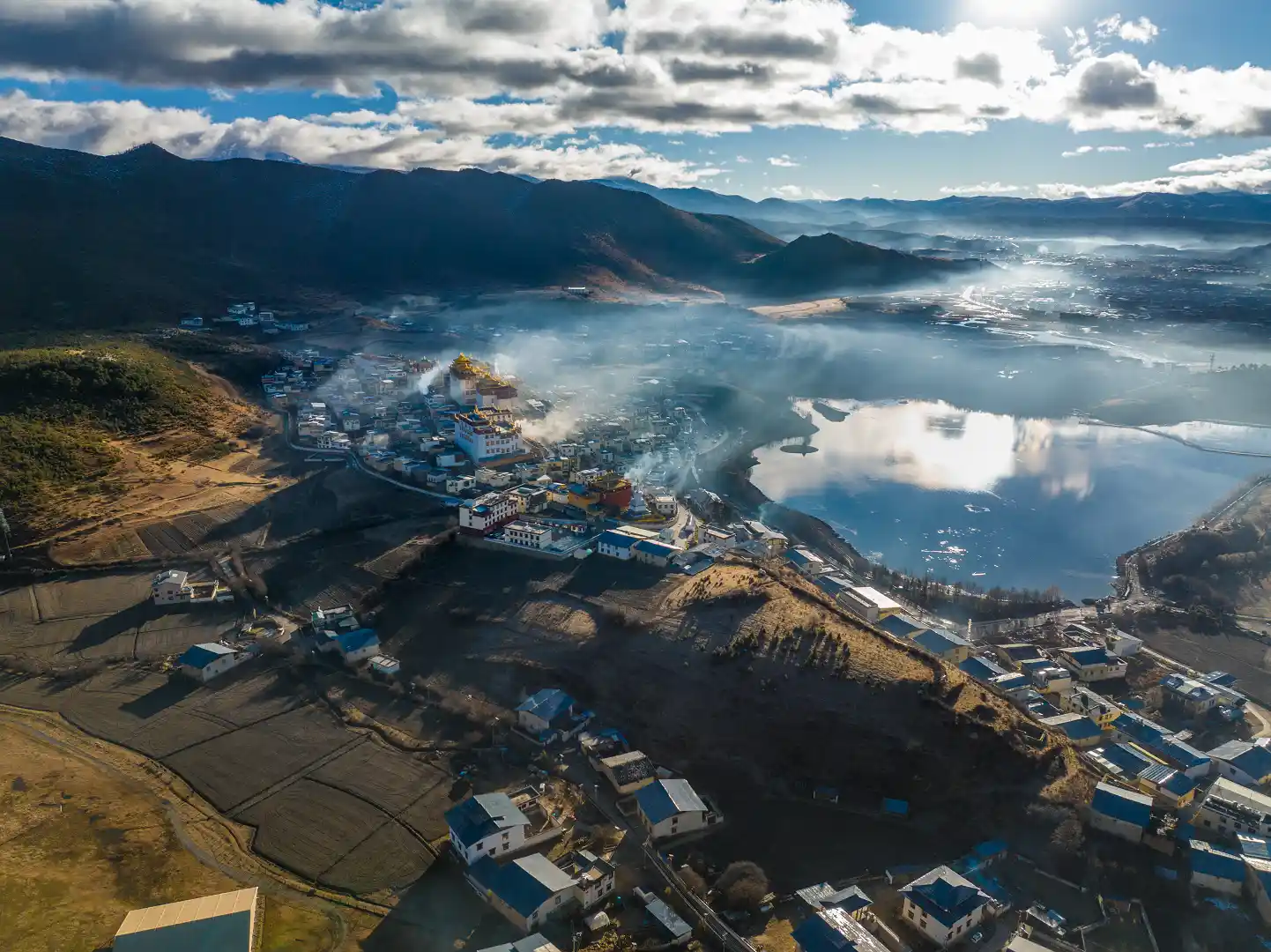
3. Ganden Sumtseling Monastery
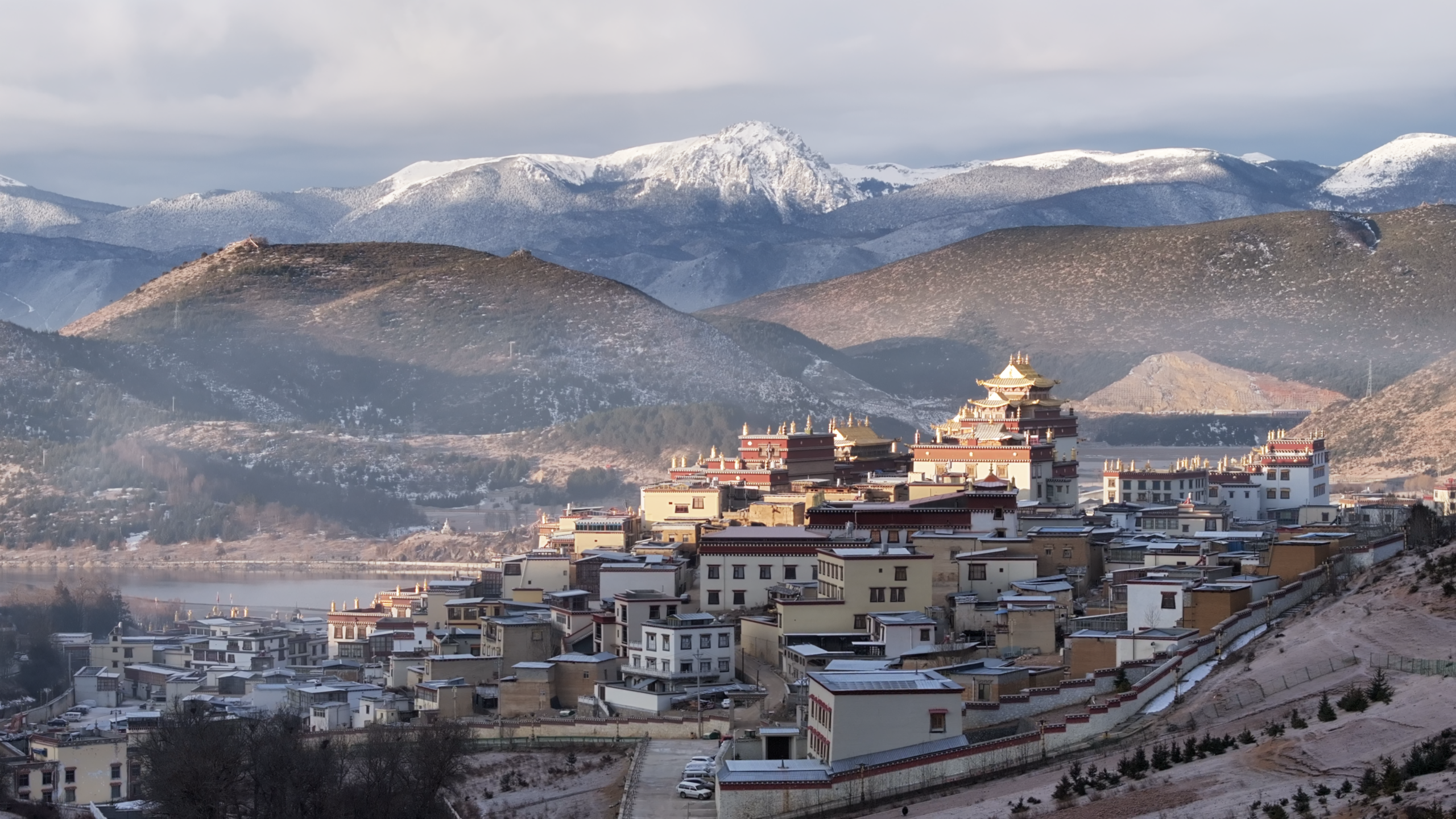
- Religious Status: Yunnan’s largest Tibetan Buddhist monastery, known as "Little Potala Palace".
- Architectural Features:
- Built along the mountain with red walls and golden roofs, magnificent in momentum.
- Main hall enshrines Buddha Sakyamuni, Master Tsongkhapa, and other Buddhas.
- Cultural Connotation:
- Witness to the unity of religion and politics in Diqing Prefecture.
- Hosts major religious festivals such as the Mask Dance Festival and Buddha Exhibition Festival annually.
- Visiting Etiquette:
- Respect religious taboos (do not point at Buddha statues, avoid loud noises, circumambulate clockwise).
4. Dukezong Ancient City
- Historical Significance: Over 1300 years old, a key town on the Ancient Tea Horse Road.
- World Record:
- Home to the world’s largest prayer wheel (requires multiple people to push).
- Reconstruction Background:
- Restored to its original appearance after the 2014 fire, integrated with modern fire-fighting facilities.
- Urban Texture:
- Winding bluestone roads and dense Tibetan-style wooden buildings.
- Moonlight Square as the center, radiating into streets and lanes.
Balagzong Grand Canyon
- Slogan: "Life is a wilderness, not a track."
- Main Attractions:
- Bodhi Buddha’s Hand: Natural rock formation resembling clasped palms, with religious symbolism.
- Bala Village: Millennium-old village inhabited by Tibetan descendants.
- Echo Wall: Multiple echoes produced when shouting in the valley.
- Glass Observation Platform: Cantilevered over the cliff, overlooking Gezong Snow Mountain.
- Unincluded Items:
- Rafting, cable slides, and Natural Buddha Pagoda are not included due to additional costs and high risks.
- Ecological Protection:
- Scenic area implements a limited visitor reservation system, emphasizing sustainable tourism development.
Feilai Temple Observation Platform
- Observation Target: Kawakarpo Peak (6740m), main peak of Meili Snow Mountain.
- "Sunlit Golden Peaks" Phenomenon:
- First ray of sunrise illuminates the mountain top, turning the snow-capped peak golden instantly.
- Lasts about 10–20 minutes, extremely spectacular.
- Success Rate:
- Highly weather-dependent; visible only on clear, cloudless days.
- Local proverb: "Nine out of ten pilgrimages fail to catch a glimpse."
- Cultural Belief:
- Kawakarpo is a sacred mountain for Tibetans, forbidden to climb.
- Pilgrims come in droves to circumambulate the mountain.
Napa Lake / Napa Wetland
- Nature: Seasonal plateau lake + grassland wetland.
- Dry Season (November–April):
- Water level drops, forming a vast meadow with herds of cattle and sheep.
- Rainy Season (May–October):
- Lake expands, merging sky and water; rare birds such as black-necked cranes inhabit here.
- Ecological Value:
- Internationally important wetland and national key protected bird habitat.
- Ways to Explore:
- Horseback riding around the lake (optional paid activity) to experience pastoral customs.
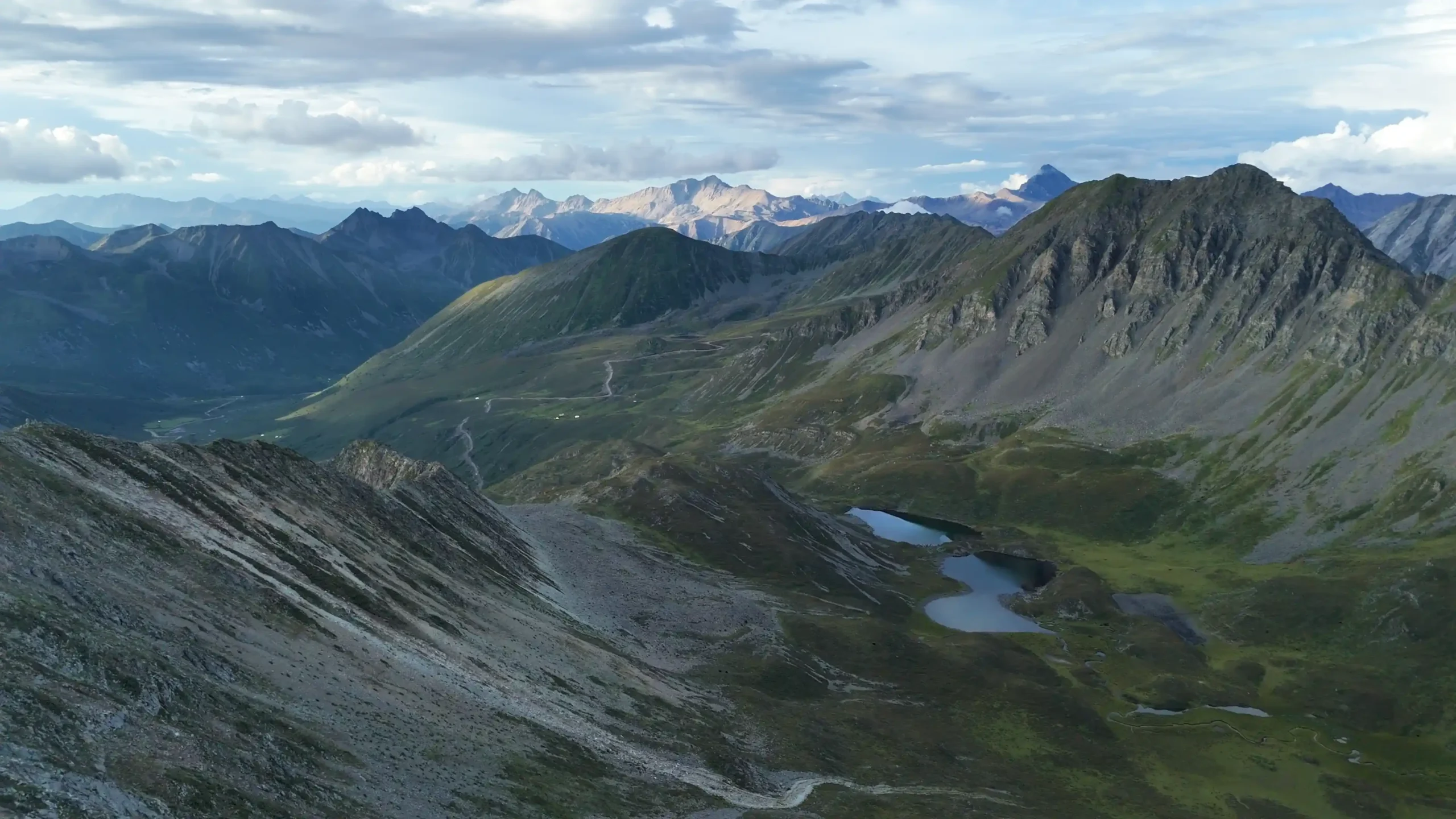
Pudacuo National Park
- Level: China’s first national park pilot.
- Three Core Scenic Areas:
- Shudu Lake: Alpine lake, frozen in winter, surrounded by primeval forests.
- Militang Alpine Pasture: Expansive grassland, once a royal hunting ground.
- Bitahai Lake: Site of the "rhododendron-drunk fish" wonder (spring).
- Transportation:
- Eco-car loop tour included (boat rides not included).
- 4km gentle boardwalk, easy to walk.
- Ecological Concept:
- Strict visitor number limits; no picking, feeding, or loud noises allowed.
